Preventative maintenance sounds simple: take care of the car before something breaks. In reality, a lot of drivers feel unsure about what is truly necessary, what can wait, and what might just be a sales pitch. That confusion leads to half-finished maintenance, stretched intervals, and repairs that feel like bad luck instead of something that could have been managed.
Why Preventative Maintenance Gets Misunderstood
Most of the confusion comes from how reliable modern vehicles feel. They start easily, run quietly, and can go a long time without obvious trouble, so it is easy to assume everything is fine until a warning light shows up. On top of that, every website, friend, and video seems to have a different opinion on what really needs to be done.
From a technician’s side of the counter, we see that preventative maintenance is less about “extra” services and more about timing. Fluids, rubber parts, and filters are all wearing down in the background. You either plan to replace them on your schedule or you let them fail on the car’s schedule, which is usually more expensive and less convenient.
Myth 1. “If There’s No Warning Light, Everything Is Fine”
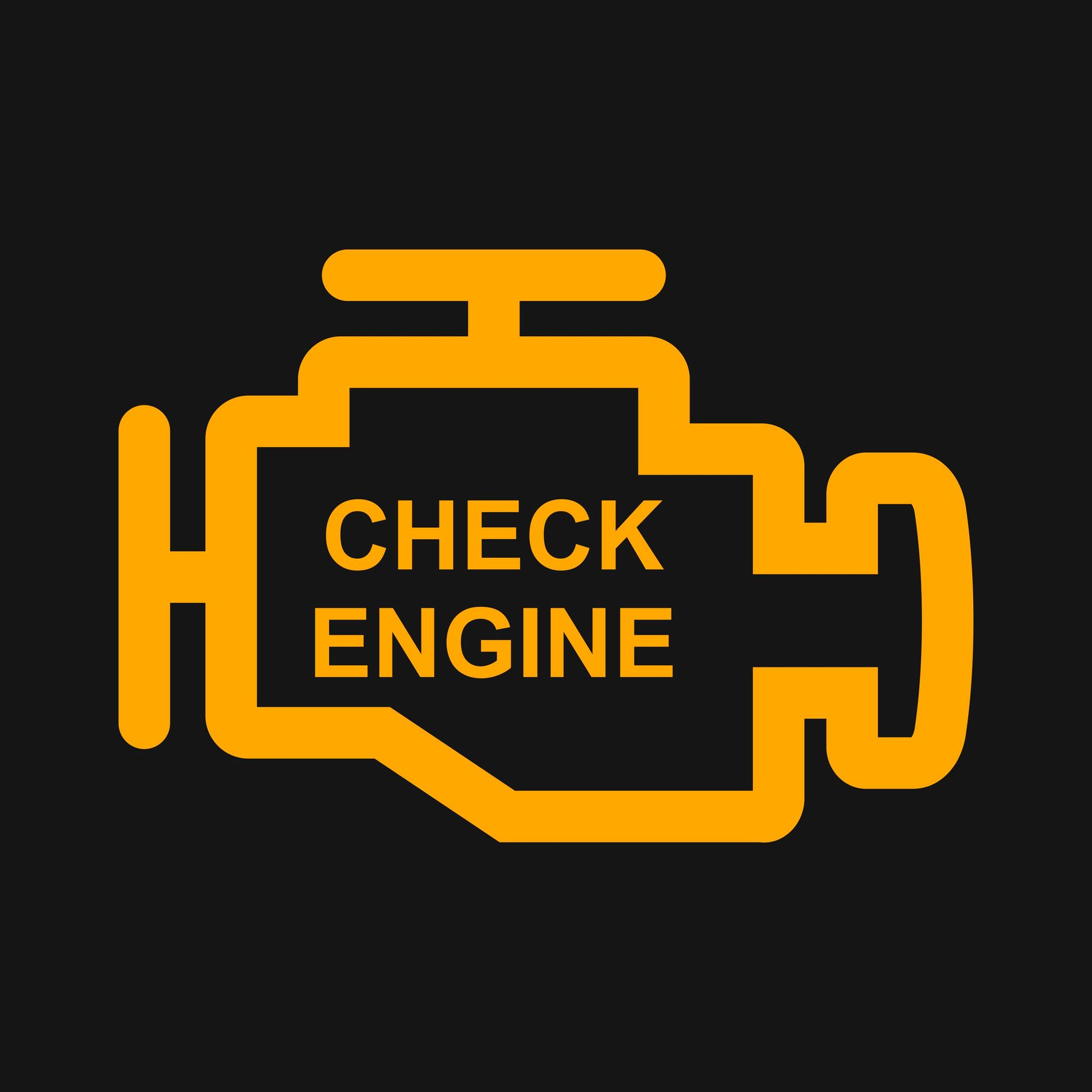
Warning lights are there to protect the car, but they are not early sensors for every problem. Many systems have to see an issue get fairly serious before the light comes on. Oil level, brake fluid condition, power steering leaks, and small coolant seepage often give no dash warning at all.
There are plenty of problems that show up first in other ways:
- Uneven tire wear long before any tire pressure light appears
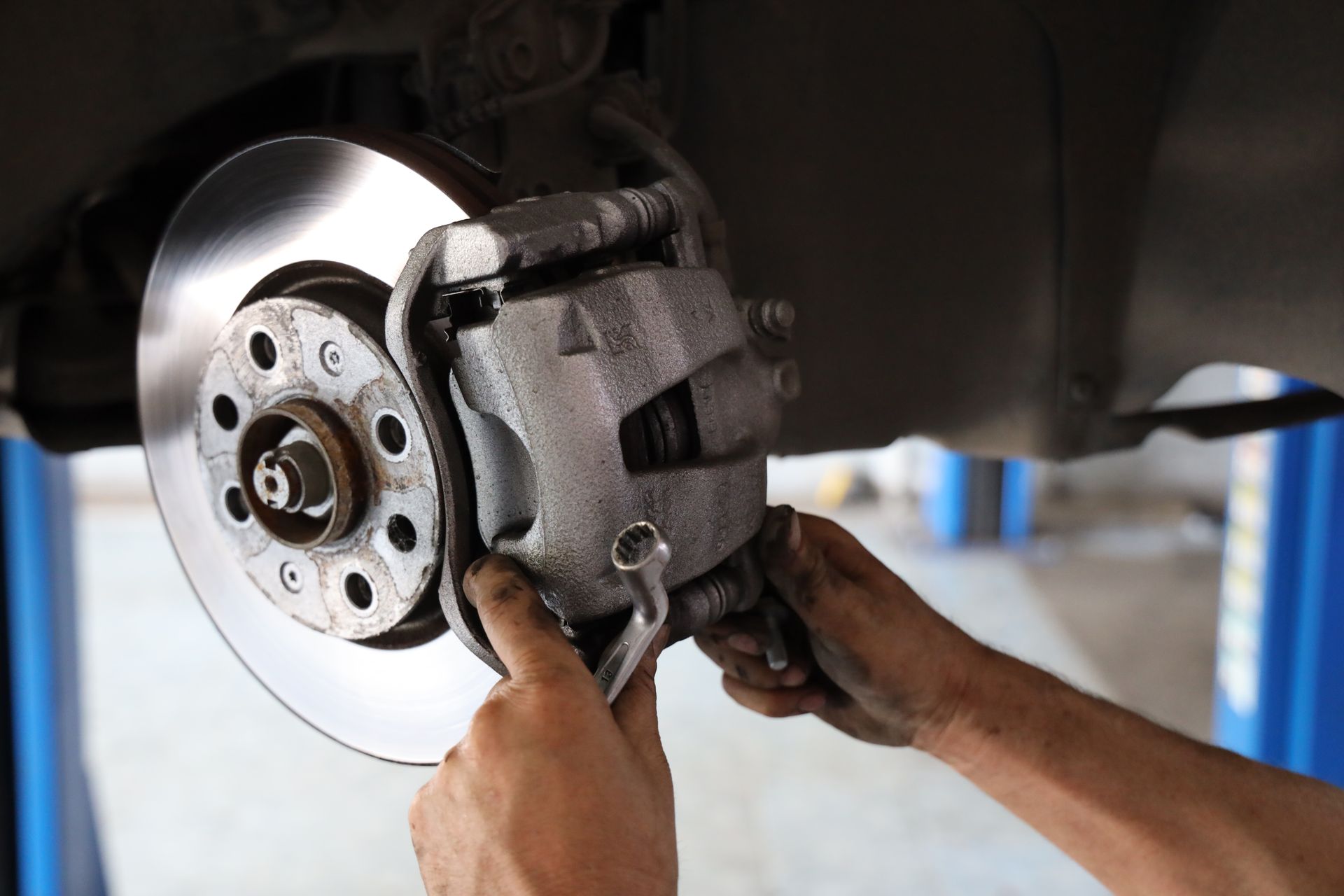
- Brake pads getting thin without setting an ABS or brake warning
- Dark, worn fluids that still pass basic sensor checks
- Cracks in belts and hoses that never trigger a code
If all you do is wait for a light, you usually find problems later, when the repair list is longer than it would have been at a routine inspection.
Myth 2. “Factory Fluids Last the Life of the Vehicle”
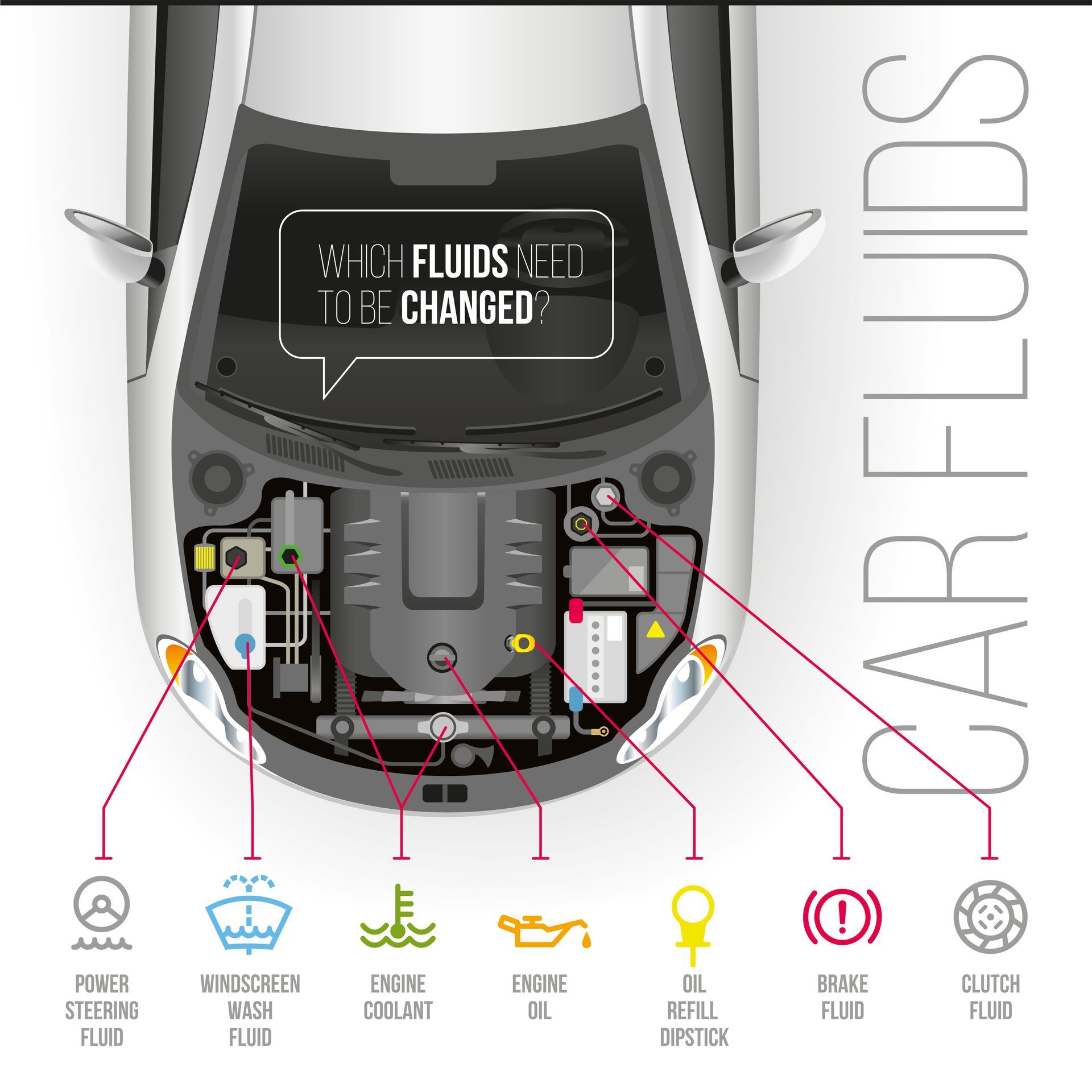
“Lifetime” fluid is one of the most misleading phrases in the car world. It often means “long service life under ideal conditions,” not “never change this.” Transmission fluid, coolant, brake fluid, and even differential fluid all deal with heat, moisture, and wear particles every mile you drive.
In real life, you get things the brochure does not talk much about: hot summers, short trips, stop-and-go traffic, towing, and hills. Those conditions age fluid faster. When we see dark, burnt transmission fluid or coolant full of rust in a car that has “sealed” systems, it usually means the fluid did its job for a long time and is overdue for replacement, not that it was supposed to stay there forever.
Myth 3. “Preventative Maintenance Is Just an Upsell”
It is true that some service places throw a long list of suggestions at every driver who comes in. That can make preventative maintenance feel like a sales script instead of a real need. The key difference is whether the recommendations match your car’s age, mileage, and condition.
Genuine preventative maintenance is based on what wears out, not what sounds impressive. For example, replacing a timing belt at the interval the manufacturer set is cheaper and calmer than waiting for it to break and strand you. Changing brake fluid at a reasonable time keeps internal corrosion from damaging expensive ABS parts. None of that is exciting, but it is how you avoid the big, sudden repairs that feel like they came out of nowhere.
Owner Habits That Feed These Misconceptions
Everyday choices can make preventative care feel less important than it really is. Common habits include:
- Focusing only on oil changes and skipping other fluids and filters
- Putting off small services because the car “still drives fine”
- Using the lowest price estimate as the only deciding factor, even if it means poor quality parts
- Ignoring noises, smells, or vibrations that come and go instead of mentioning them early
We have seen many vehicles where one or two of these habits turned small, manageable issues into big jobs that arrived all at once.
How To Build a Maintenance Plan That Actually Fits You
Instead of trying to follow every piece of advice you hear, build a simple plan around your vehicle and how you use it. Start with the maintenance schedule in your owner’s manual, then talk through your driving with a shop you trust. If you do lots of short trips, heavy commuting, or towing, some items may need to be done earlier. If your driving is mostly easy highway miles, some services may be able to stretch a bit.
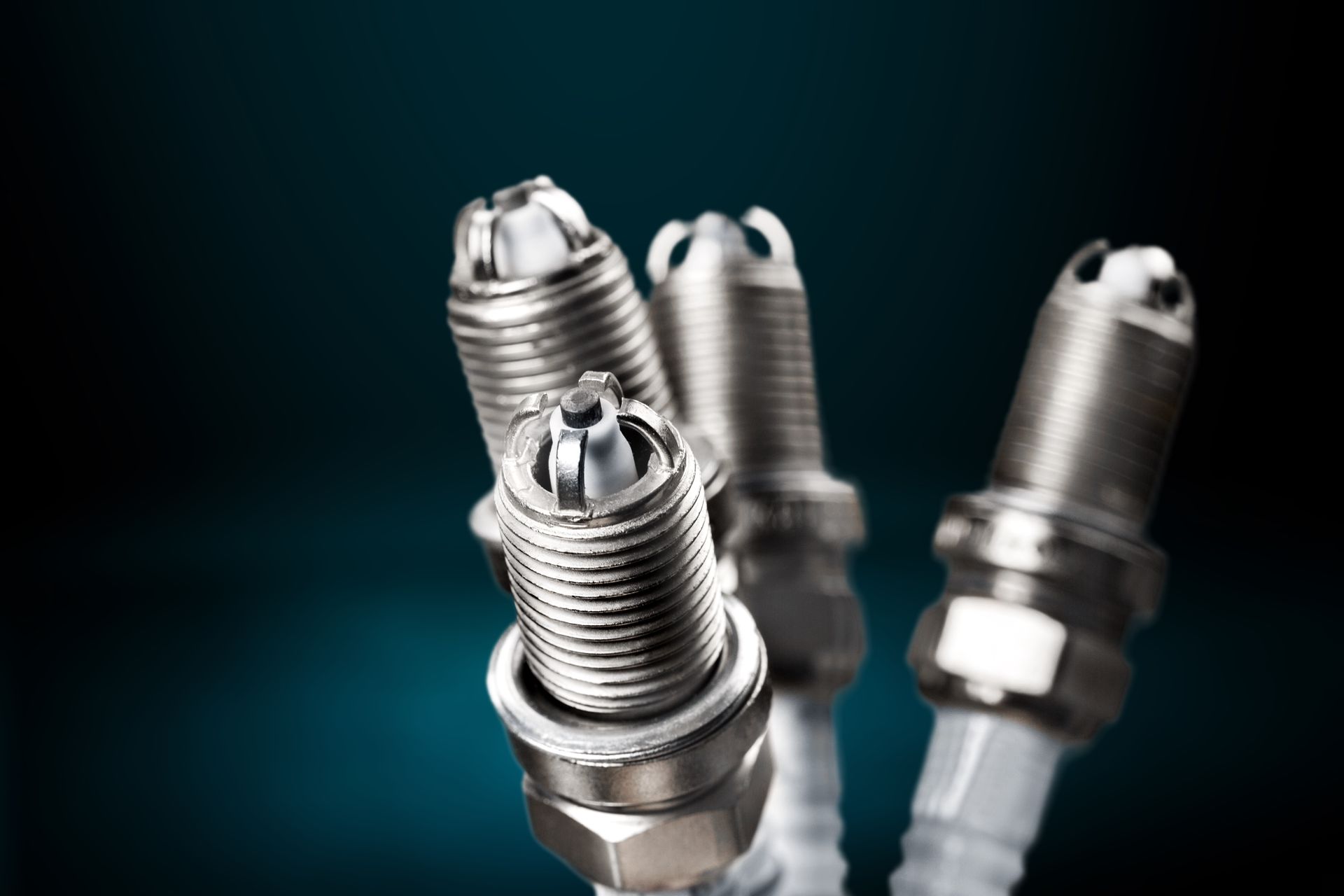
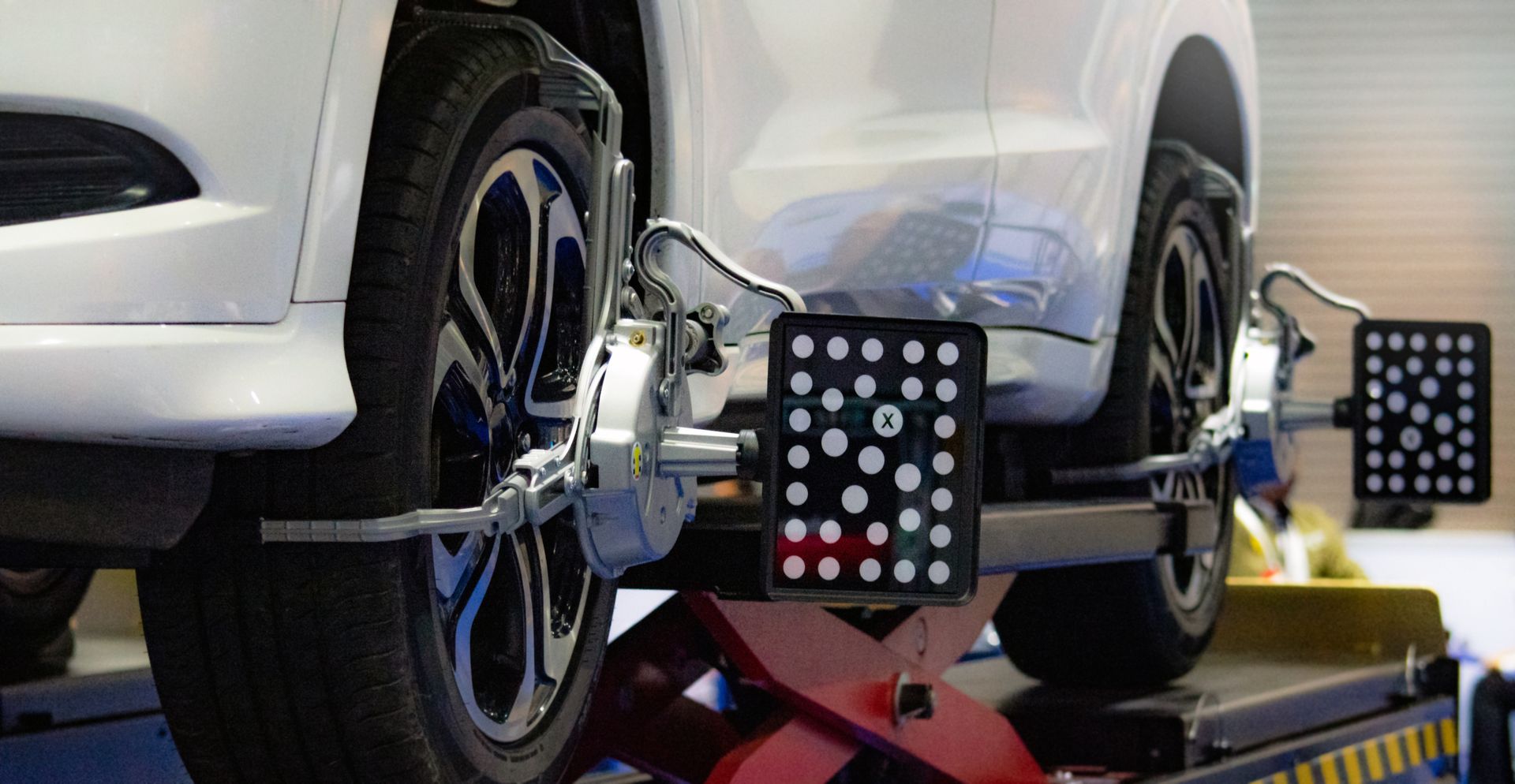
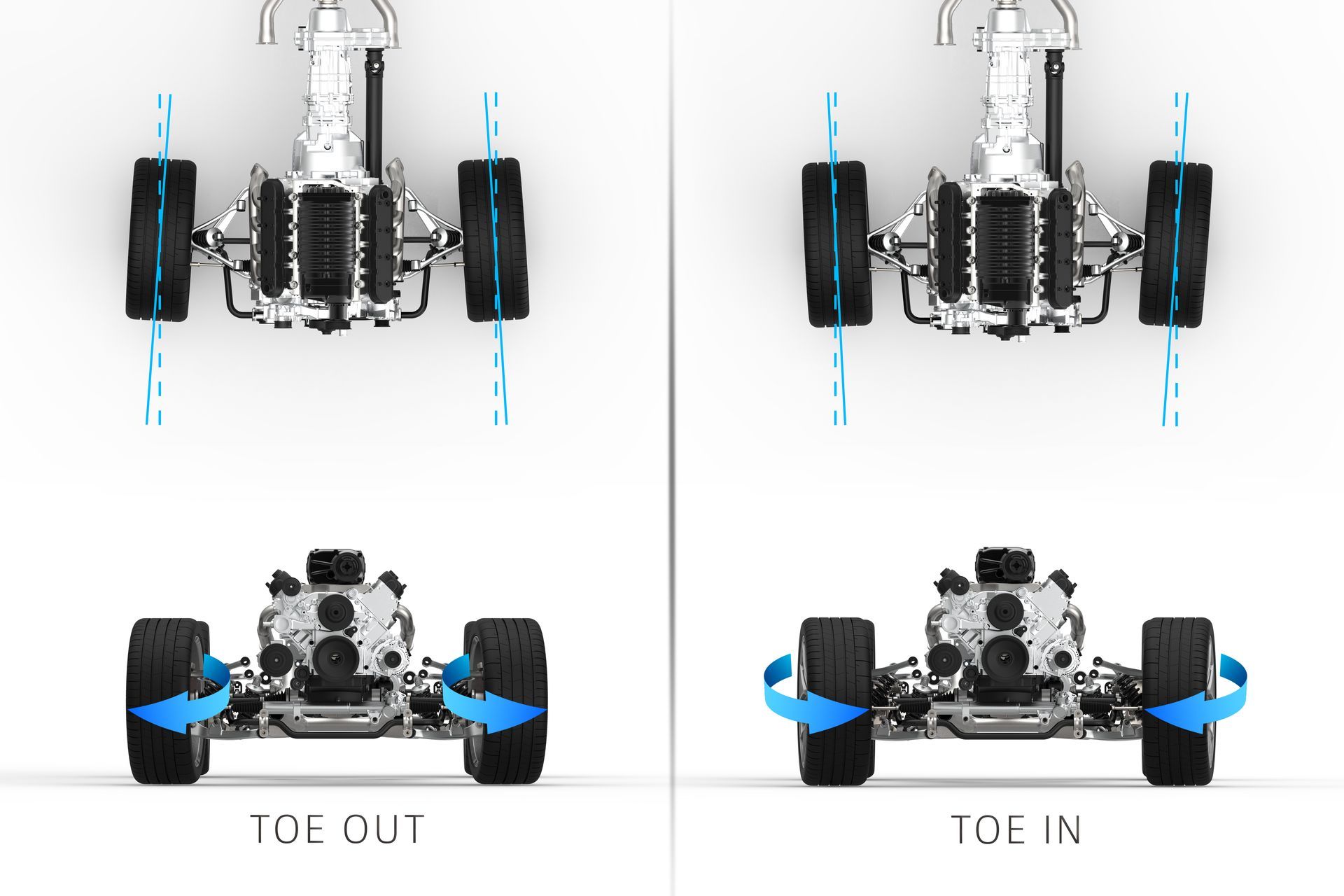
It helps to break the plan into layers. Oil changes and inspections are your regular visits. A little less often, you handle items like air filters, cabin filters, tire rotations, and alignments. At wider intervals, you plan for bigger items such as transmission fluid, coolant, spark plugs, and brakes. When you spread those jobs across the year instead of waiting for a stack of failures, the cost and stress feel much more manageable.
Get Help with Preventative Maintenance in Conroe and New Waverly, TX with Barsh Auto
If you are unsure which preventative services your vehicle really needs and which ones can wait, a clear plan makes everything easier. We can look over your car, review the factory schedule, and match it to your actual driving to ensure you're paying for the maintenance that truly matters.
Schedule preventative maintenance with
Barsh Auto in Conroe and New Waverly, TX, and we will help you avoid surprises and keep repairs predictable.