Your brakes do a lot more than stop the car. They manage heat, keep the steering steady under load, and protect you when traffic stacks up without warning. Pads and rotors wear at different rates and in different patterns, which is why a simple mileage number rarely fits every driver.
Knowing what affects wear, what symptoms to watch for, and how professionals decide between resurfacing and replacement helps you plan service before small problems become expensive ones.
Why Brake Pads and Rotors Wear at Different Rates
Pads are made of friction material bonded to a metal backing plate. Each time you press the pedal, the pads clamp the spinning rotor and convert motion into heat. The pad material is designed to wear away gradually. Rotors are thicker and last longer, but they also slowly lose material from contact and can develop hard spots or thickness variation.
Once a rotor gets too thin or heats unevenly, it will not hold a smooth finish and can transfer vibration into the pedal and steering wheel.
Typical Replacement Intervals (and Why They Vary)
Most daily drivers see front pads last somewhere between 25,000 and 50,000 miles, while rear pads often go longer. Rotors may last through two sets of pads if heat and rust are kept in check. Those numbers shift with how and where you drive. Stop and go traffic in Conroe, rolling hills near New Waverly, towing, and frequent short trips all raise brake temperatures and shorten life.
A gentle highway commute, light loads, and planning ahead at signals stretch the interval. It is smarter to use inspections to guide timing rather than chasing a fixed mileage target.
Signs Your Brake Pads Are Due
New noises and changes in pedal feel are your first clues. Squealing that appears at low speeds can come from wear indicators on the pads. A grinding sound means the pad material has worn thin and the metal backing is contacting the rotor, which can damage the rotor in a few stops.
If the pedal feels soft, takes more distance to stop, or pulses under light pressure, the pads may be thin or the rotors uneven. Any brake warning light deserves a quick check, even if the car still seems to stop normally.
When Rotors Need Replacement (Not Just Resurfacing)
Resurfacing removes a thin layer to restore a smooth, flat surface. It only works if the rotor will remain above its minimum thickness and if heat spots are mild. Rotors need replacement when they are below spec, deeply grooved, cracked, or show blue patches from heat.
A warped feel can come from thickness variation rather than a literal bend, and that variation often returns quickly if the rotor is already close to its limit. Replacing the rotor when it is borderline prevents repeat pulsation and gives new pads a stable surface to bed in.
City vs. Highway, Towing, and Texas Heat
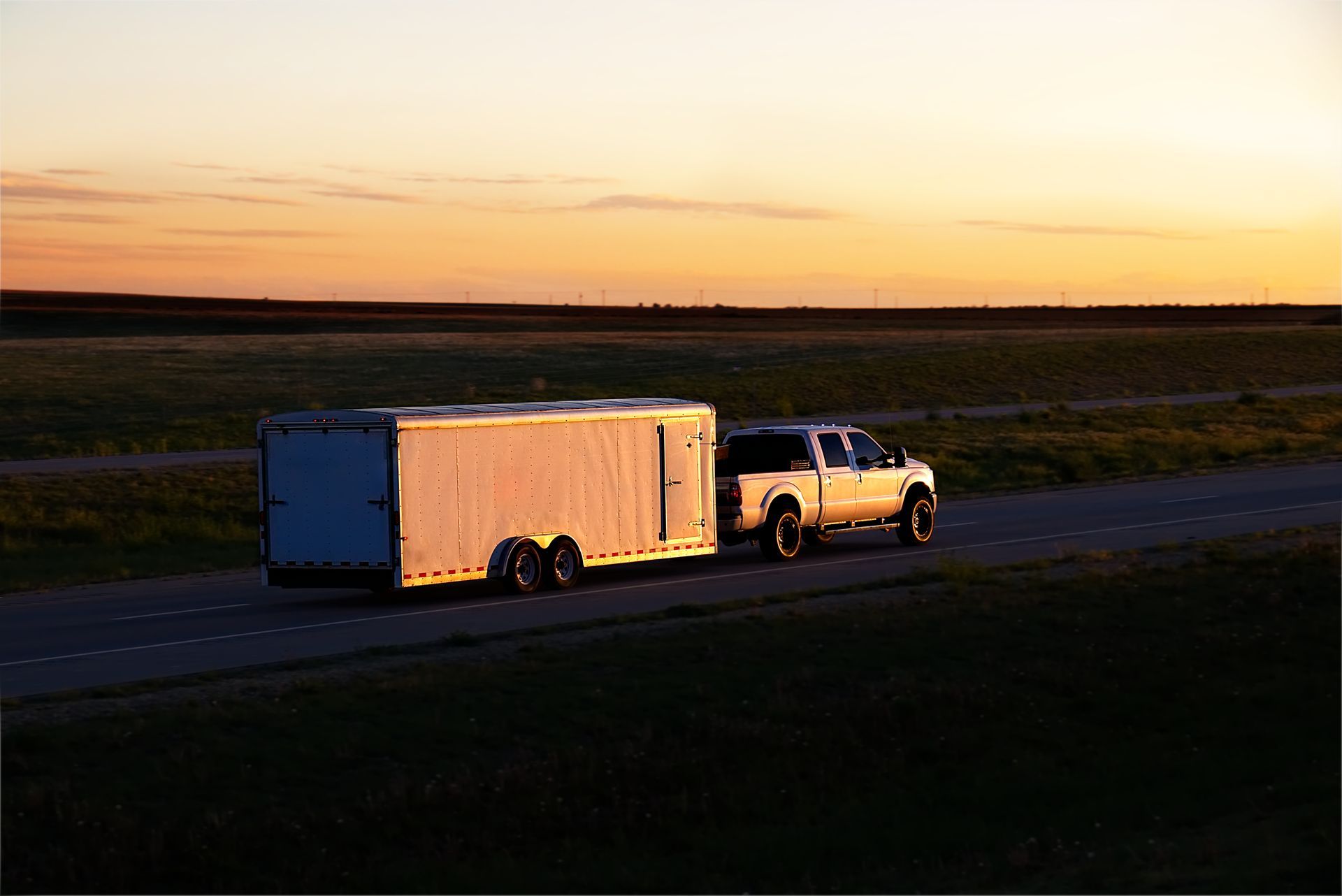
Brakes live a tougher life in dense traffic. Frequent stops keep temperatures up and reduce cooling time. Towing a trailer, carrying heavy cargo, or driving with larger wheels requires more energy that the brakes must shed on each stop. Summer heat in Texas thins brake fluid and can reveal weak calipers or sticking slide pins.
If your commute includes long downhill sections, downshift early and use engine braking so the system can cool between stops. Little choices like coasting sooner and leaving more following distance make pad material last longer.
What a Proper Brake Inspection Includes
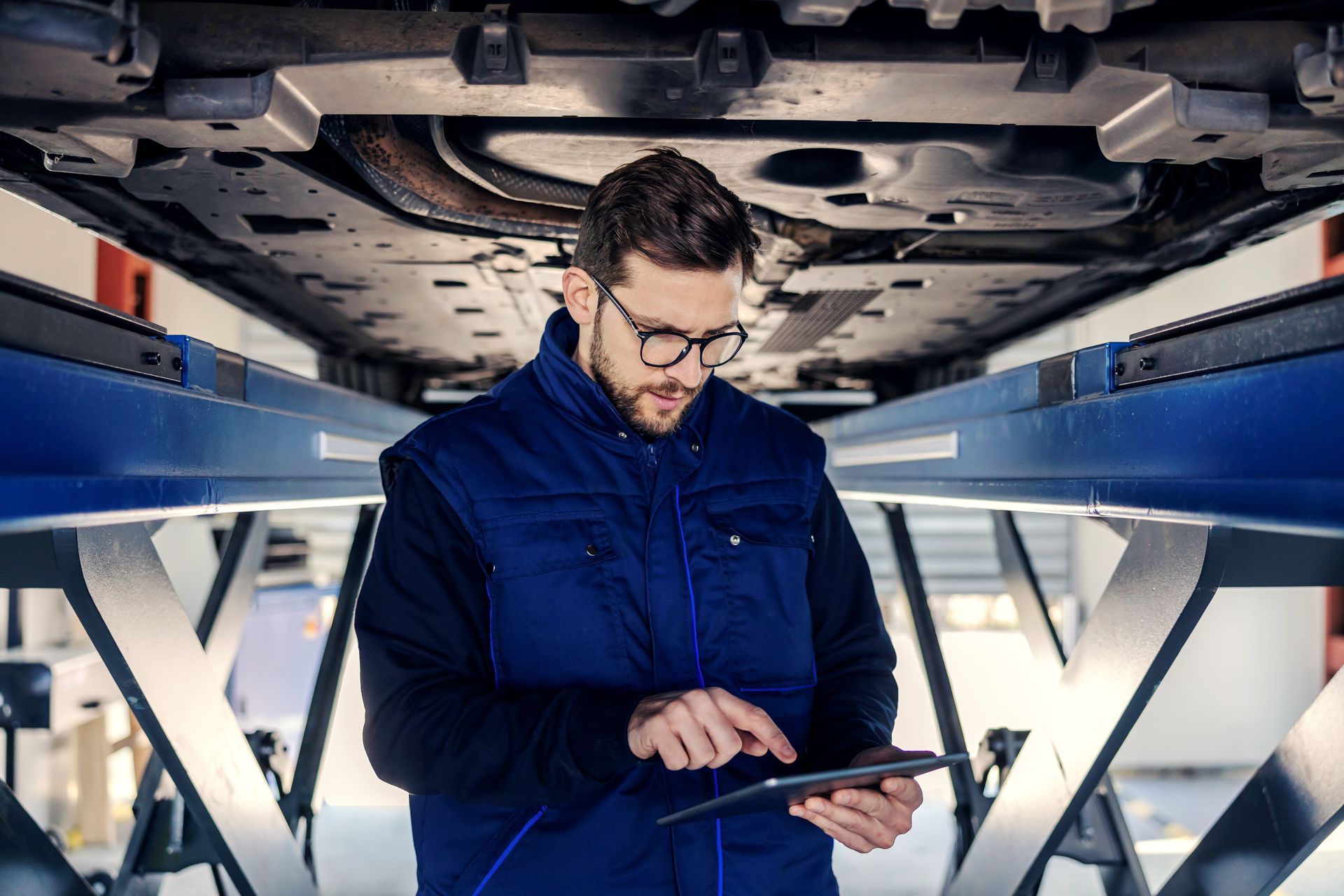
A good inspection looks at more than pad thickness. Expect the technician to check:
- Pad material remaining and whether the wear is even on both sides of each rotor
- Rotor thickness with a micrometer, runout, and surface finish
- Caliper operation, slide pins, dust boots, and signs of sticking
- Brake hoses for cracks, bulges, or internal collapse that can trap pressure
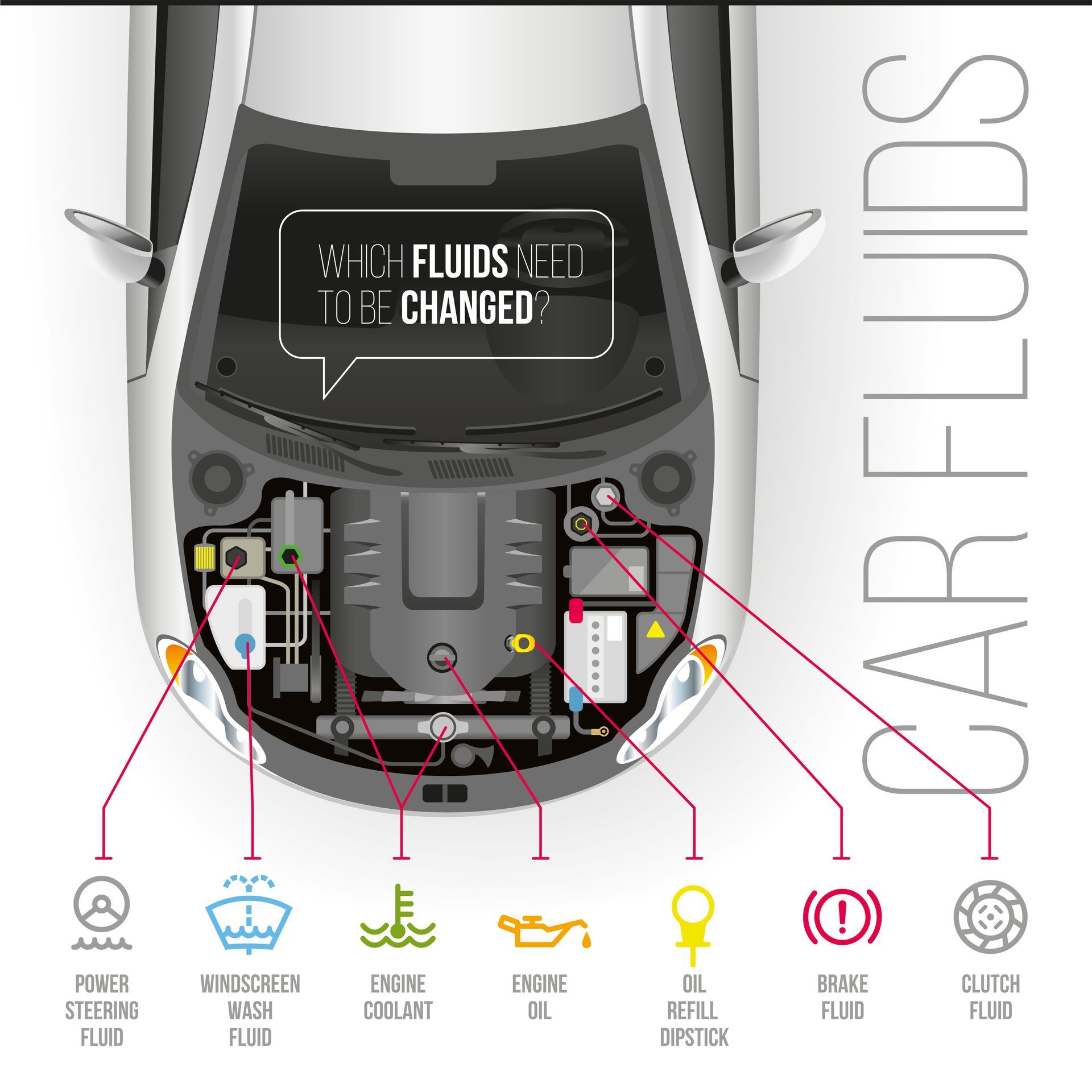
- Fluid level and condition, including signs of moisture or contamination
- Wheel bearings and hub play that can mimic rotor issues
This approach finds the cause behind the wear pattern. Tapered pads point to seized slide pins. Blue spots on one rotor suggest a sticky caliper. Dark fluid that tests high for moisture lowers the boiling point and can cause fade on hot days. Fixing the cause is what protects your new parts.
Should You Replace Pads and Rotors Together
You do not always need both. If rotors are smooth, within thickness spec, and free of hard spots, fresh pads can bed in well. If rotors are thin, rough, or already causing pulsation, replacing both is the better value. Pairing new pads with worn rotors often leads to noise or vibration that returns in a few weeks.
When both are new, bedding them in with a few gentle stops allows a clean transfer layer to form and gives you a quiet, firm pedal.
Get Professional Brake Service in Conroe and New Waverly with Barsh Auto
If you hear new brake noises, feel pedal changes, or just want to plan service by condition rather than guesswork, visit our team in Conroe or New Waverly. We measure pad and rotor specs, inspect calipers and hardware, and explain clear options so you can choose what fits your driving.
Book your inspection today and keep your stopping power strong, quiet, and predictable.