Road trips have a funny way of exposing the one thing you have not thought about in months, usually at the worst possible time. A quick pre-trip check helps you avoid the basics like overheating, dead batteries, and tire trouble, but it also makes the drive less tiring because the car feels predictable.
A little prep beats a roadside surprise.
1. Tire Pressure And Tread Condition
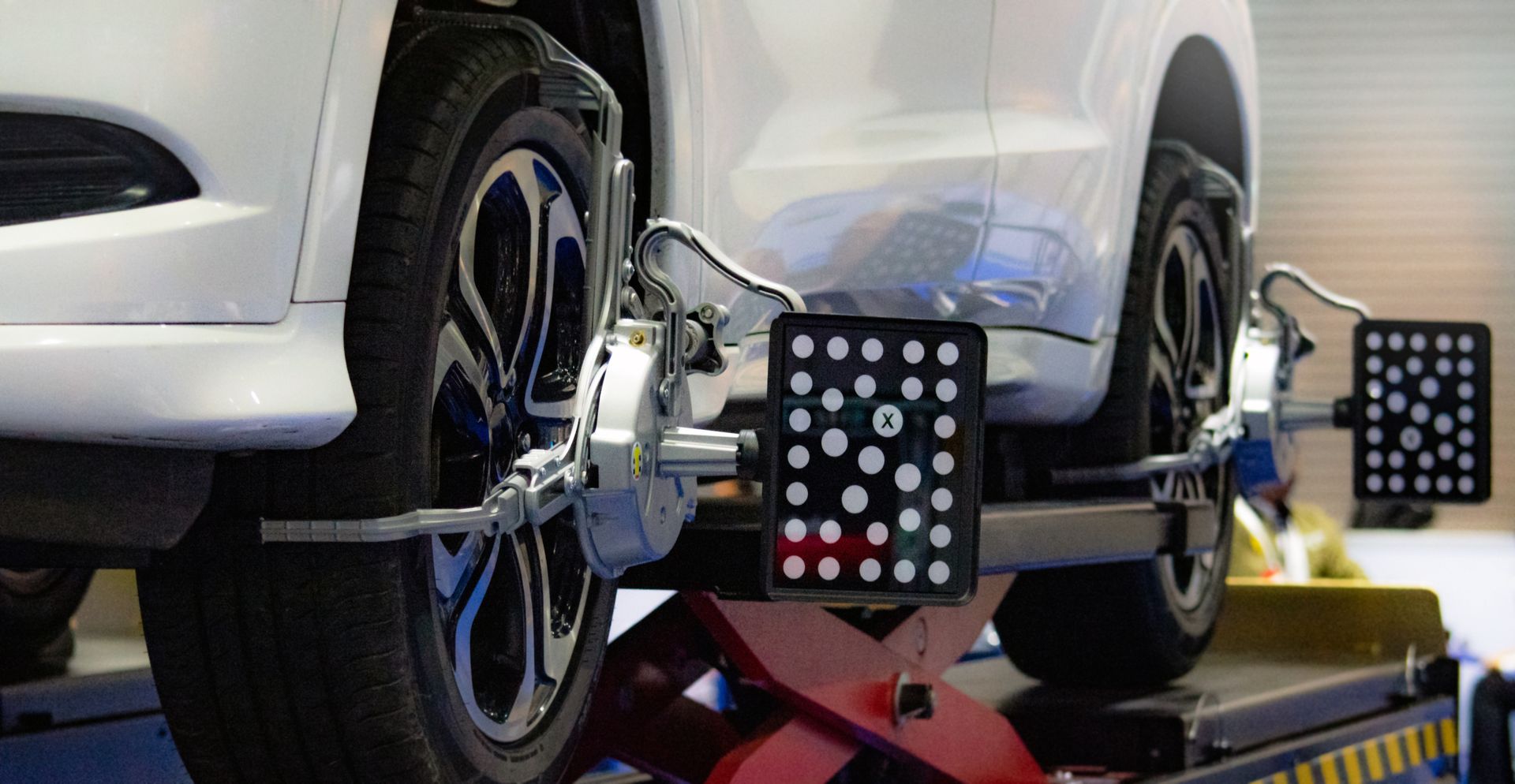
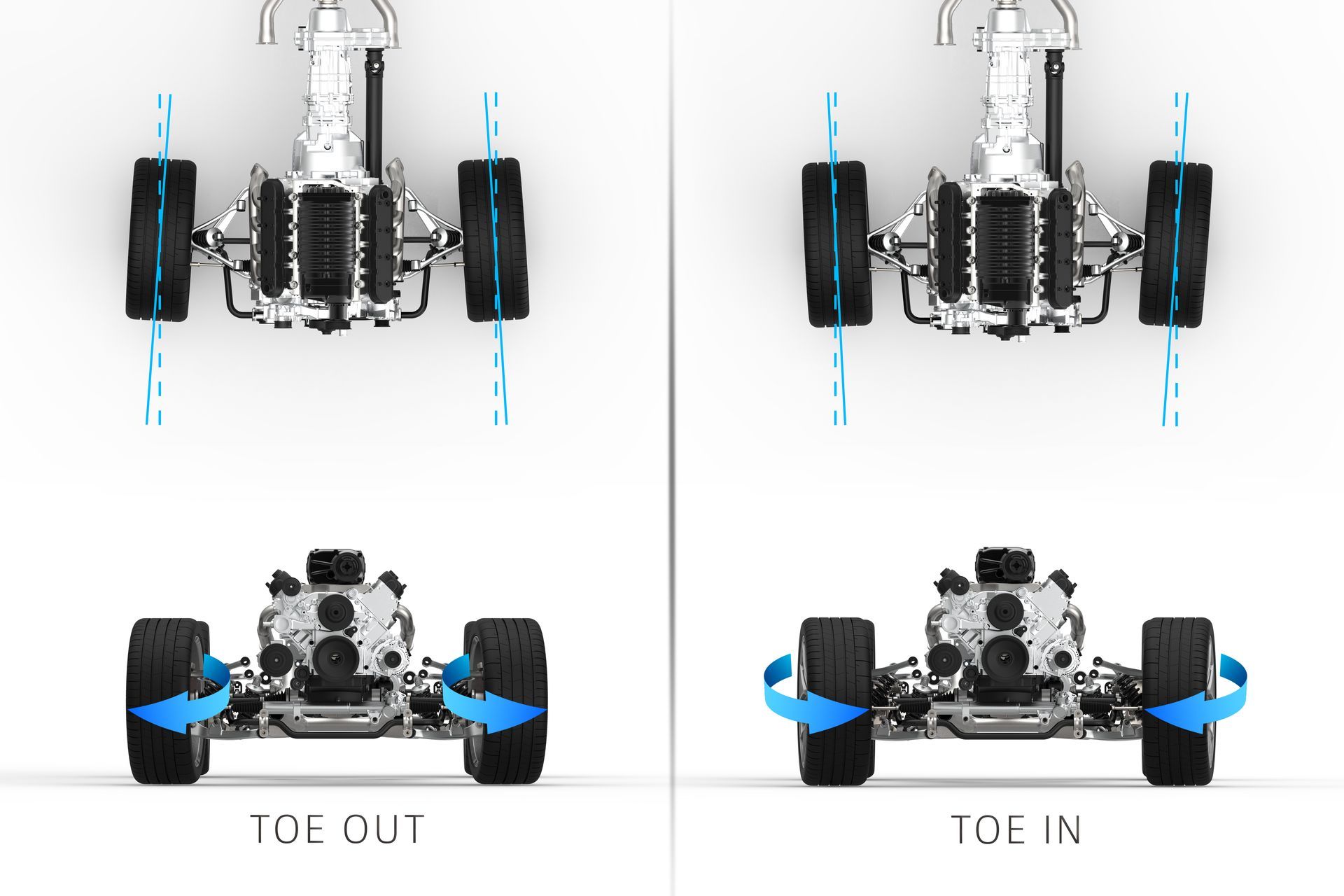
Check tire pressure when the tires are cold and set it to the door-jamb sticker, not the number on the tire sidewall. Tires that are even a few PSI low run hotter at highway speeds and wear faster, and they can make the steering feel vague on long stretches of road. Look at tread depth and scan for uneven wear, since that can hint at alignment or suspension issues that will only feel worse on a long drive. If you see cords, bubbles, or deep cracking, that tire is not road-trip ready.
2. Spare Tire, Jack, And Lug Wrench
A spare tire is only helpful if it holds air and you can actually access the tools. Check the spare’s pressure and make sure the jack, lug wrench, and any key for locking lug nuts are in the vehicle. If you have a donut spare, remember it is temporary and speed-limited, so it’s a get-you-safely-there plan, not a finish-the-trip plan. This is one of those checks that feels boring until it saves you an hour on the shoulder.
3. Brakes That Feel Consistent And Confident
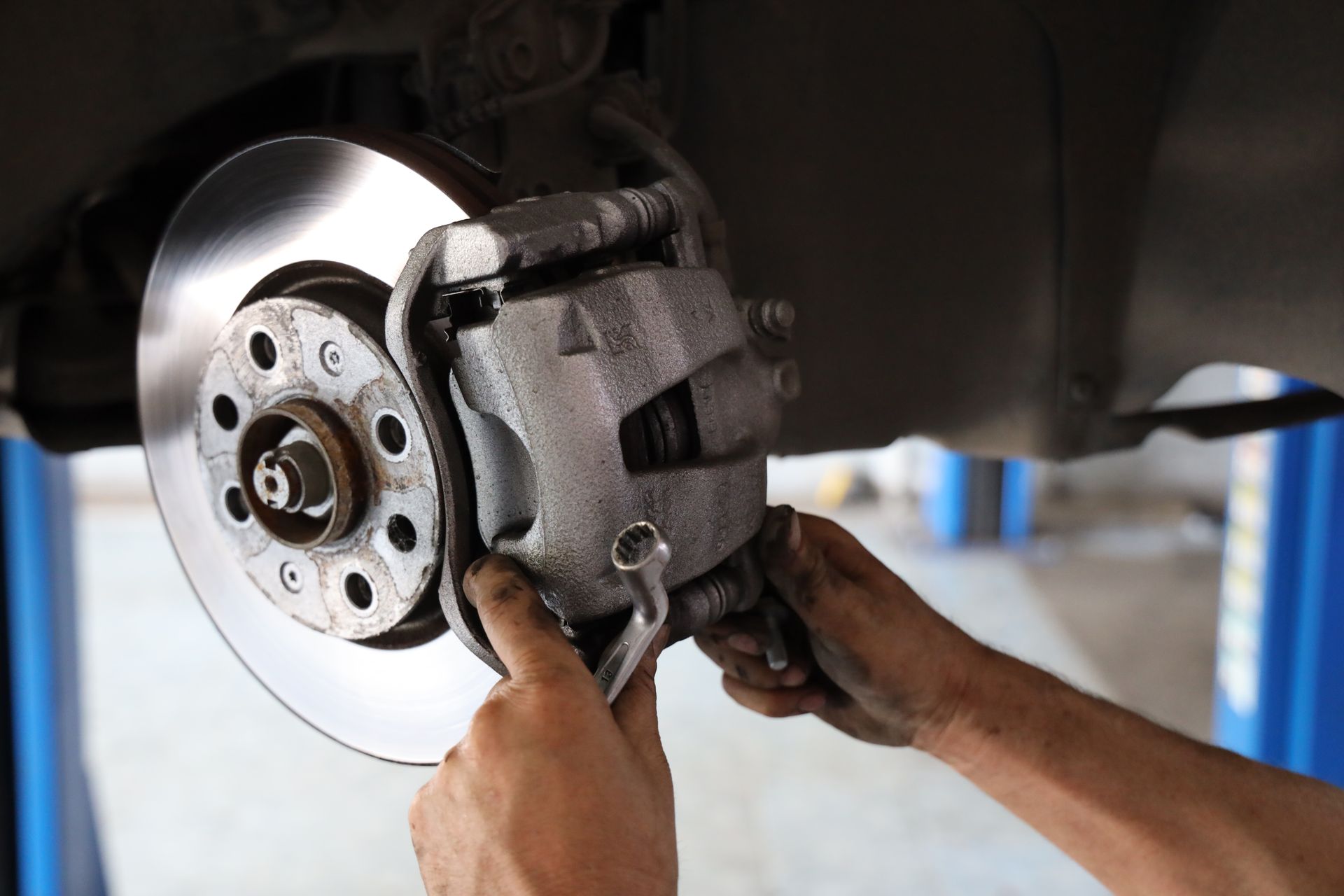
Before you load the car up, pay attention to how the brake pedal feels during normal stops. A pedal that feels lower than usual, spongy, or requires extra effort is a reason to pause and get it checked before you add passengers and luggage. Also listen for grinding or a squeal that has become constant, since that often means pads are worn down and the rotors are getting chewed up. If the car pulls while braking, it can be brakes or tires, but either way it should not be ignored before a highway trip.
4. Lights And Wipers For Visibility And Safety
You want every exterior light working because long drives often include rain, dusk, or unfamiliar roads. Do a quick walk-around and confirm headlights, brake lights, turn signals, and reverse lights, then check the wipers for streaking, chatter, or torn edges. If you need a quick checklist, these are the ones that matter most:
- Low beams and high beams
- Brake lights and third brake light
- Front and rear turn signals
- Wiper blades and washer spray pattern
If the washer fluid barely dribbles, clean the nozzles and top the reservoir off before you go.
5. Fluids That Keep Temperatures And Lubrication Stable
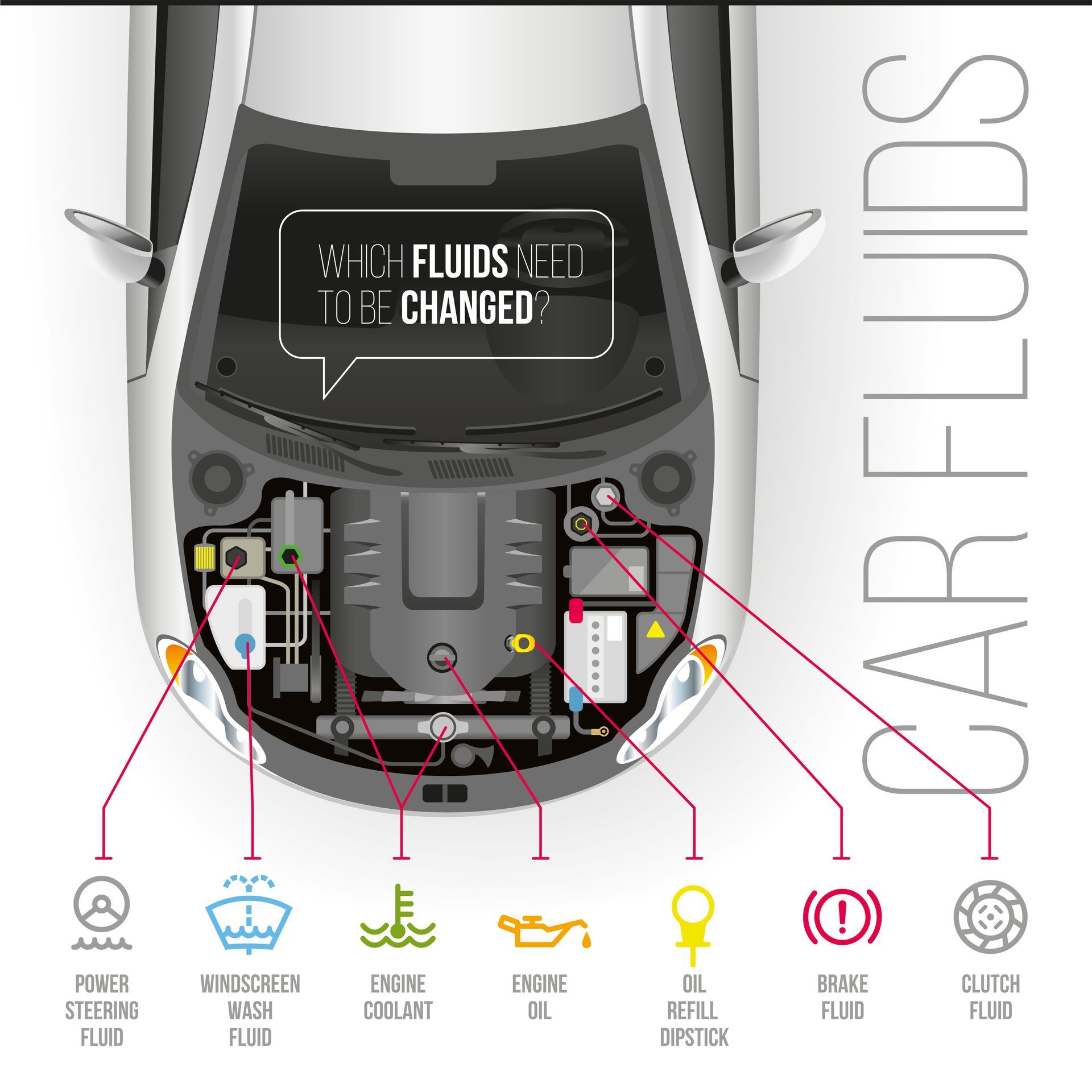
Check engine oil level on level ground and look for anything that suggests a sudden change, like a low dipstick when it was fine last month. Coolant should be at the proper level in the reservoir when the engine is cool, and it should not look rusty or sludgy. This is where regular maintenance pays off because fresh fluids protect seals and keep temperatures stable when you’re hours from home. If you notice a steady fluid loss, that points to a leak that should be handled before it becomes an overheating problem.
6. Battery Health And Charging Clues
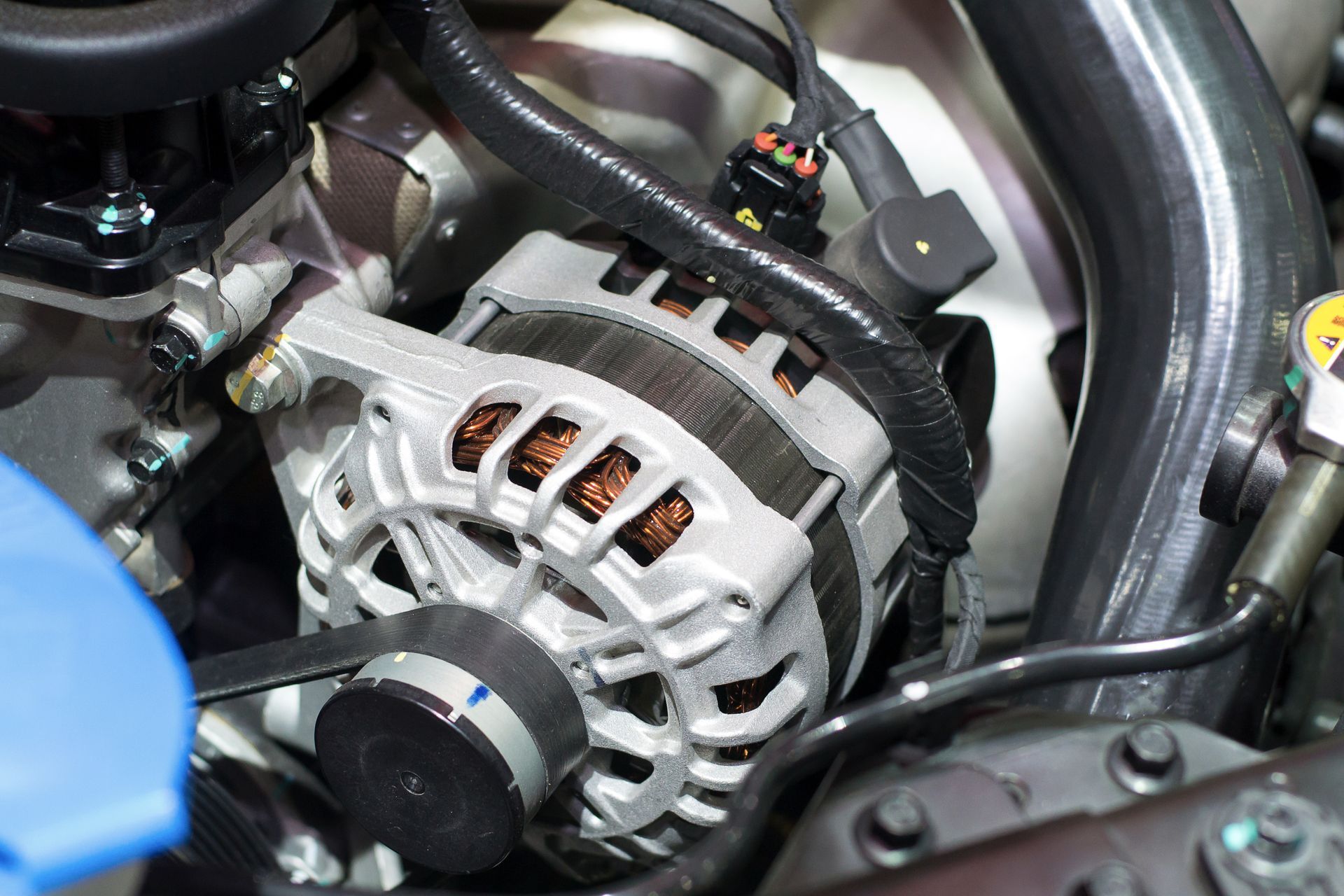
A battery can be weak without warning, then fail after a few rest stops and hot starts. Look for corrosion on the terminals and make sure the connections are tight, since poor contact can mimic a dead battery. If the engine cranks slower than usual or electronics behave oddly at start-up, it’s worth testing the battery and charging voltage before you leave. We see a lot of trip disruptions that come down to a battery that was living on borrowed time.
7. Belts, Hoses, And Obvious Leaks
Pop the hood and do a fast visual scan for cracks, bulges, wet spots, or shiny splatter that suggests a leak. Belts should not look glazed or deeply cracked, and hoses should not feel brittle or swollen near clamps. Look under the vehicle after it sits for a few minutes and pay attention to fresh drips, not old stains. If you catch a small leak early, you usually avoid the bigger mess it can become on a long drive.
8. Heating, A/C, And Cabin Comfort Basics
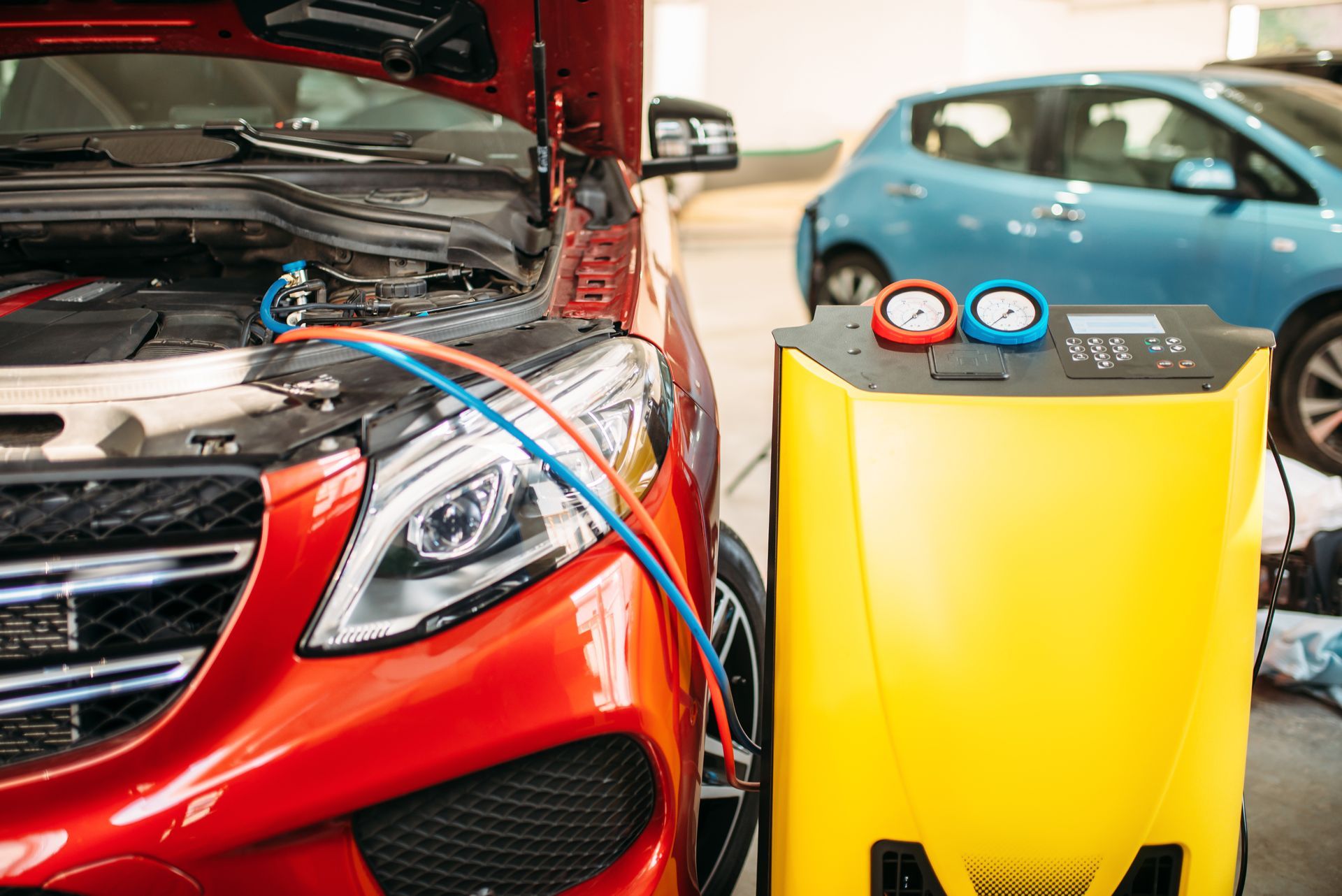
Make sure the heater and A/C respond normally, because foggy windows and poor airflow become real safety issues in bad weather. If airflow seems weak even on high fan speed, the cabin filter may be overdue, and that can also make the system smell musty. Confirm the defroster blows strongly at the windshield and that the temperature changes when you adjust the controls. If something feels off, it’s easier to address at home than halfway through a trip.
Get Road Trip Inspection In Conroe and New Waverly, TX With Barsh Auto
If anything in your pre-trip check looks questionable, it’s smarter to sort it out before you’re committed to highway miles and tight schedules. Schedule an inspection or service visit with Barsh Auto in Conroe and New Waverly, TX, and we’ll help you head out with tires, fluids, brakes, and charging systems you can trust.
You should be focused on the drive, not the dashboard.