A check engine light catches your attention fast, especially when the car still starts, idles, and drives like nothing is wrong. That disconnect throws many drivers off. If the vehicle feels normal, it is easy to assume the warning is minor or that the light will go away on its own.
Usually, it will not.
Why The Light Turns On Before You Feel A Problem
Modern vehicles track engine performance, fuel control, emissions, and sensor readings constantly. When the computer sees something outside its expected range, it stores a fault and turns the light on. That warning often shows up before the issue becomes obvious from the driver’s seat, which is why the car can seem perfectly fine at first.
That early warning is actually useful. It gives you a chance to catch a smaller problem before it turns into poor fuel economy, hard starting, rough running, or damage to another component. A quick inspection is a smarter move than waiting for the car to force the issue later.
Common Reasons The Car Still Feels Normal
Some check engine faults start in the background. They affect efficiency, emissions, or data accuracy long before they change how the engine feels in daily driving.
- A loose or failing gas cap
- An aging oxygen sensor
- A small EVAP system leak
- A mass airflow sensor is starting to drift
- An emissions valve that is sticking
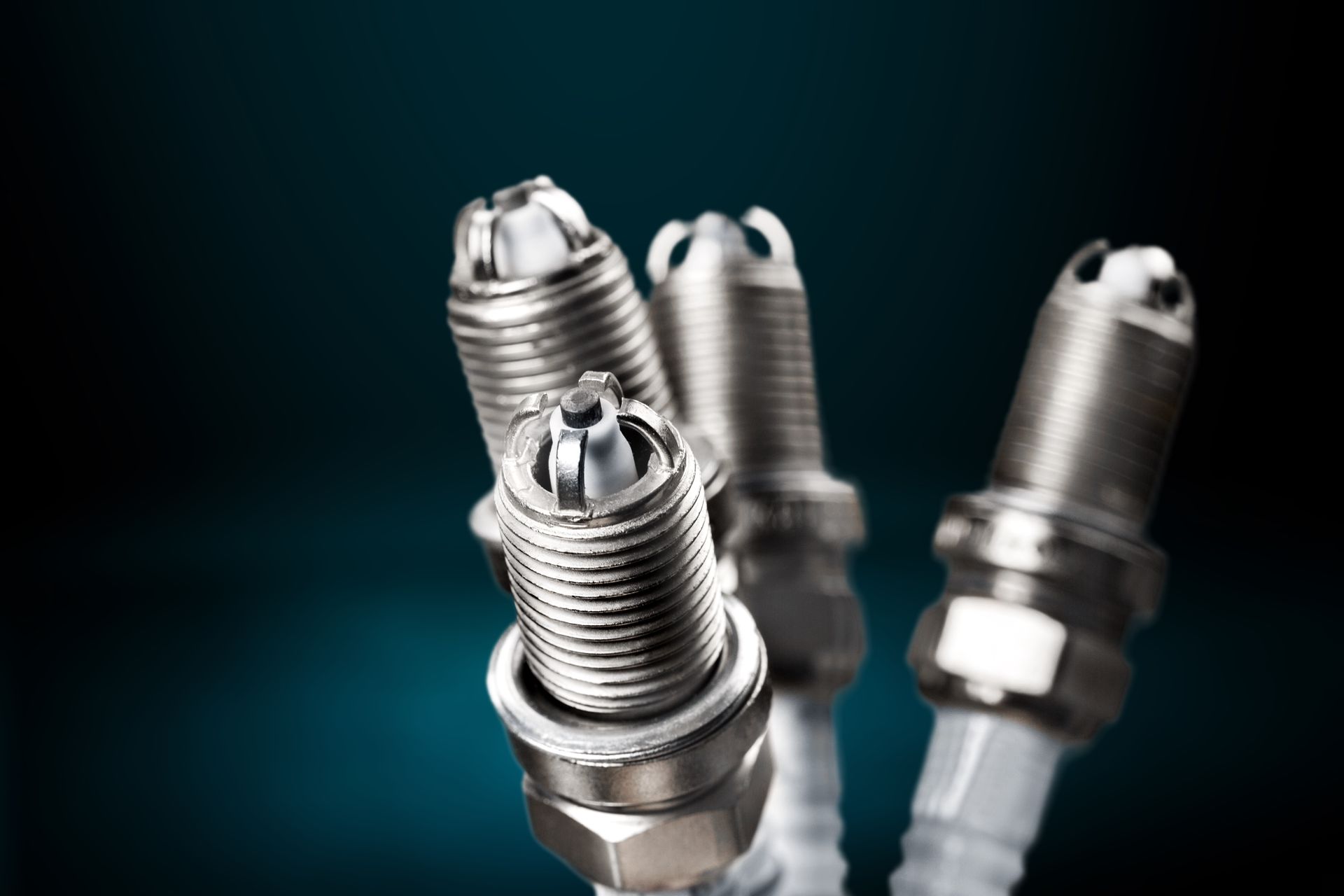
- Early spark plug wear on one cylinder
These problems will trigger the light even when the engine still feels strong around town. That does not mean they are harmless. It means the computer noticed the problem before you did.
Some Issues Stay Subtle Until They Get Worse
This is where drivers get trapped. The car seems fine for a week or two, so the light gets ignored. Then the engine starts hesitating on acceleration, the fuel mileage drops, or the idle turns rough during stop-and-go traffic.
That slow progression is common with sensor faults and mixture problems. The engine computer keeps making adjustments to compensate, which helps hide the problem for a while. Once those adjustments reach their limit, the symptoms show up more clearly, and the repair often gets more expensive.
What The Warning Light Is Really Telling You
A steady check engine light is different from a flashing one. A flashing light points to a more urgent problem, usually a misfire severe enough to damage the catalytic converter. A steady light is less urgent, but it still means the system found a fault that needs attention.
Think of it in two levels.
Steady Light
The car usually remains drivable, though fuel use, emissions, and performance may already be slipping behind the scenes. You have time to get it checked, but waiting for weeks is still a bad bet.
Flashing Light
This is a stop-and-address-it warning. Continued driving under a flashing light will often cause more damage, especially if raw fuel is entering the exhaust.
Why Guessing Usually Leads Nowhere
A check engine light does not tell you which part to replace. It tells you the computer found a problem in a system or circuit. That distinction is important because the code points you in a direction, but it does not confirm the final cause by itself.
For example, an oxygen sensor code does not always mean the sensor itself failed. The real problem could be a vacuum leak, fuel trim issue, exhaust leak, or wiring fault. We see this quite a bit when someone replaces a part based solely on the code, only to have the light come right back.
What To Watch For Before Your Appointment
If the light comes on and the car still seems normal, pay attention to small changes. Those details help narrow things down faster.
Look for signs like these:
- Hard starting after the car sits
- A drop in fuel economy
- A rougher idle at stoplights
- A fuel smell near the car
- Slight hesitation when accelerating
- The light turning off and back on again
Even one of those clues helps connect the warning light to a specific pattern. During regular maintenance, those patterns are often found early, before the vehicle develops a more obvious drivability complaint.
Get a Check Engine Light Diagnostic In Texas With Barsh Auto
If your check engine light is on and the car still seems fine, Barsh Auto can test the system, read the stored faults, and pinpoint what is actually triggering the warning. Catching it early is usually the difference between a simpler repair and a longer list of problems.
If the light is staying on, now is a good time to have it checked before the car stops feeling normal.