A car that pulls left or right can wear you out quicker than you’d expect. You keep correcting the steering, your shoulders tense up, and even a straight road feels like you’re constantly negotiating with the wheel.
The tricky part is that pulling can come from a few different places, and they can feel similar from the driver’s seat. Once you understand the common causes, you can stop chasing random fixes and get it handled the right way.
What A Real Pull Feels Like vs Normal Road Drift
Most roads have a slight crown so rainwater drains off. That can cause a gentle drift to the right on some streets, especially on older pavement. A true pull is stronger and more consistent. It feels like the car wants to change lanes unless you actively hold it straight.
Another clue is effort. If you let go of the wheel briefly on a flat, straight stretch and the car quickly heads off to one side, that’s more than road shape. If the steering wheel also sits off-center when you’re going straight, alignment or suspension angles may be involved.
Tire And Wheel Issues That Can Steer The Car
Tires cause a surprising number of pull complaints, and not only from low pressure. One tire can have an internal belt shift or uneven stiffness that makes it “lean” to one side. Sometimes the tread looks acceptable, so drivers assume it cannot be the tire. It still can.
Uneven tire wear is another giveaway. If one edge is wearing faster, the tire is not meeting the road evenly. That can create a pull and it can also make the car feel nervous on wet roads. A bent wheel or wheel imbalance usually creates vibration more than pulling, but it can still contribute if the tire is not tracking correctly.
We’ve seen cars come in after an alignment that still pulled, and the root cause ended up being a tire that was starting to fail internally. Once the tire was replaced, the car tracked straight again.
Alignment Angles That Make You Fight The Steering Wheel
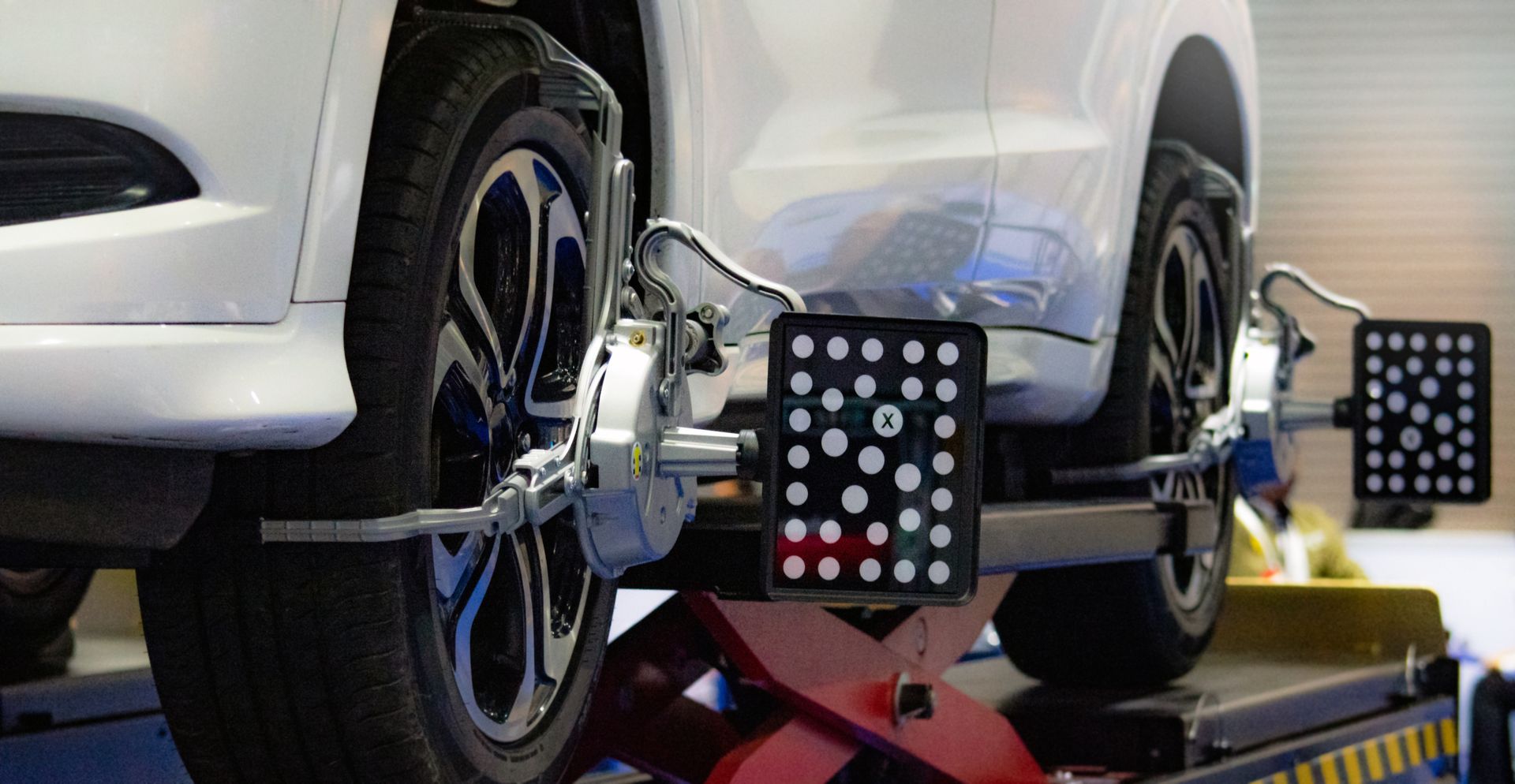
Alignment is often the first suspect, and for good reason. If the toe, camber, or caster is out, the wheels are not pointing where they should, even if it looks straight from the outside. Caster differences side to side are a common reason a car pulls, and a quick toe adjustment does not always solve it.
Impacts matter here. A pothole, curb hit, or road debris strike can knock alignment out suddenly. If the pull started right after a hit, alignment is high on the list. If it started gradually, think tires and suspension wear too.
Brake Drag That Mimics An Alignment Problem
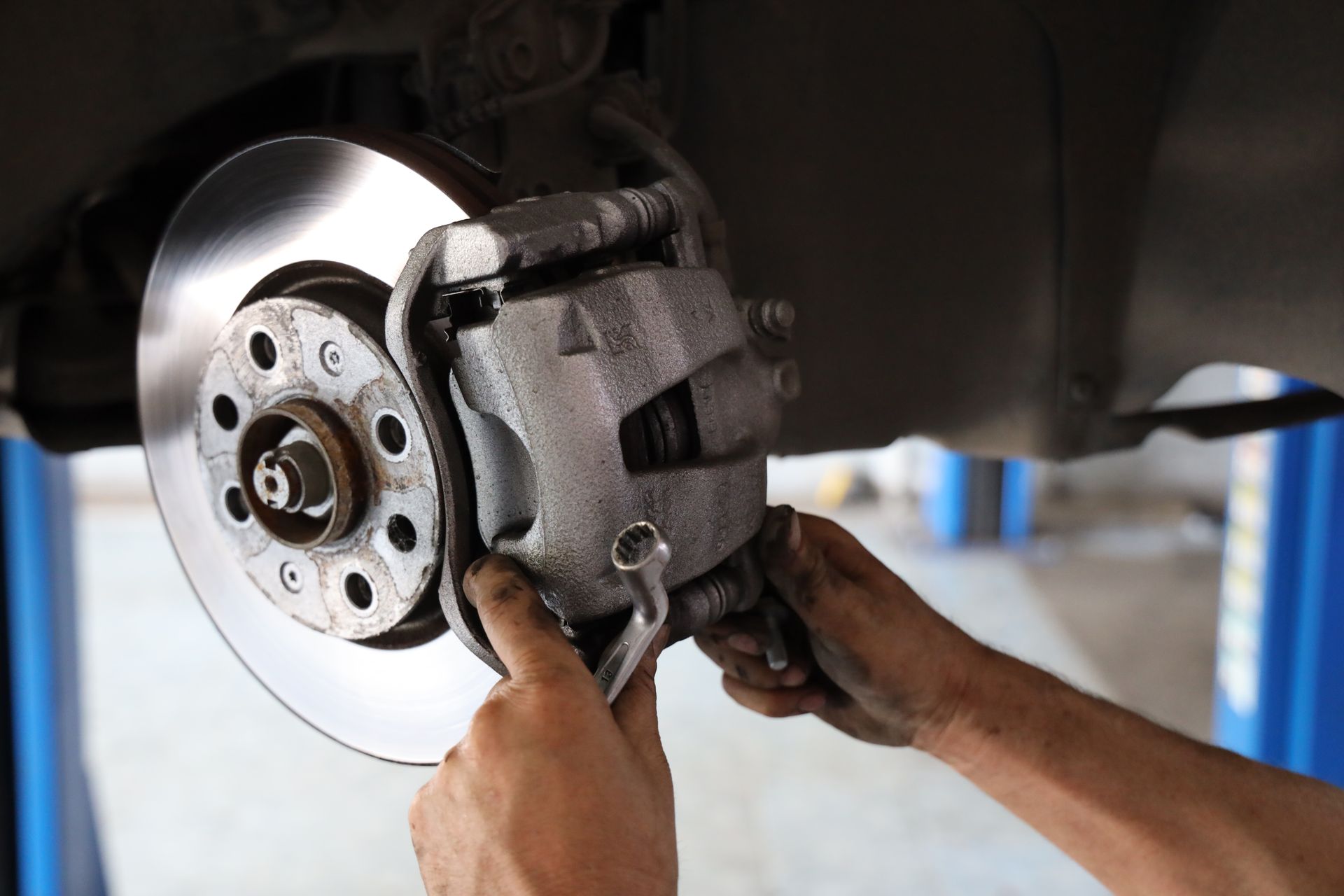
A sticking brake caliper can pull the car toward the side that’s dragging. It can feel like alignment, but it often changes after a longer drive because heat builds. Some drivers notice a hot smell near one wheel, heavier brake dust on one rim, or a car that does not coast as freely.
Pay attention to whether the pull is worse when you brake. If it tugs the wheel during braking, brake drag or uneven braking force becomes more likely. This is not something to ignore, because brake heat can damage pads and rotors, and it can affect stopping consistency.
Suspension And Steering Wear That Shifts Under Load
Worn suspension parts can let the wheel move around when it should stay planted. Control arm bushings are a common example. When they wear, the wheel can shift slightly during braking, acceleration, or bumps, and that can create a pull that comes and goes.
Tie rod ends and ball joints can also cause pulling when they develop play. You may notice clunks over bumps, wandering that gets worse on rough roads, or a steering feel that changes depending on speed. In those cases, the pull is often only part of the story.
A Simple Guide To What The Pull Pattern Suggests
Pulling has patterns. Here are a few that can help you think through what’s most likely going on.
- If the pull is stronger during braking, brakes or suspension bushings are common suspects.
- If the pull started after a pothole or curb hit, alignment or a tire issue moves up the list.
- If the pull changes depending on road surface, tires, and suspension wear become more likely.
- If the pull gets worse after driving for a while, brake drag becomes more likely because heat builds up.
If the steering wheel sits off-center while you’re driving straight, alignment angles may be off.
Keeping It Tracking Straight
Once the root cause is handled, a few habits help keep the car tracking straight. Keep tire pressure consistent, especially when temperatures change, because a few PSI can affect handling. Rotate tires on schedule so wear stays even across all four corners.
Also take new noises seriously. A fresh clunk or new vibration after the pull is fixed can be an early sign of suspension wear. Catching it early usually protects your tires and keeps the alignment stable longer.
Get Wheel Alignment in Conroe & New Waverly, TX, with Barsh Auto
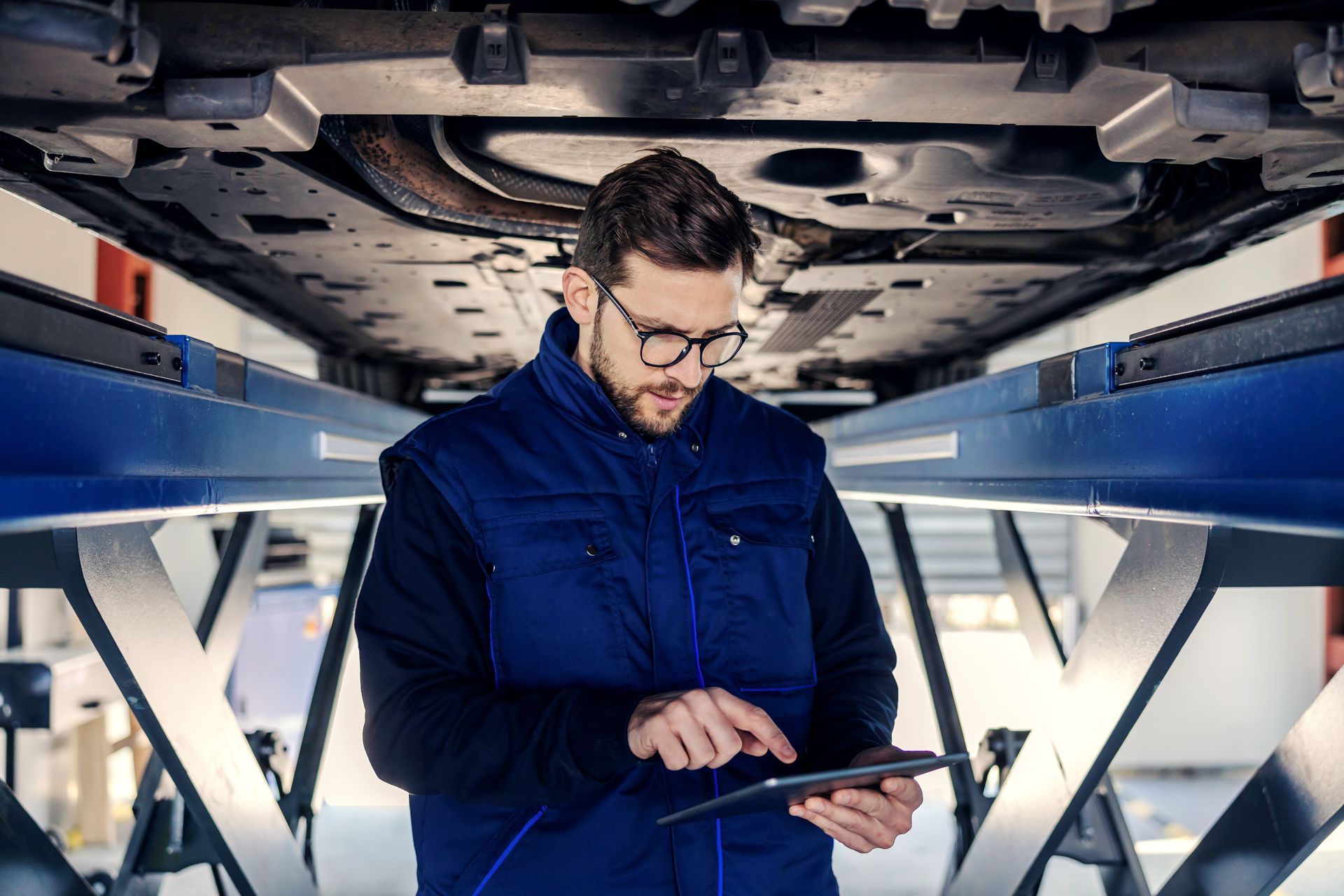
We can inspect your tires, brakes, alignment angles, and suspension parts to pinpoint what’s causing the pull. We’ll recommend the fix that matches the real source of the problem, not a one-size-fits-all approach.
Call
Barsh Auto in Conroe & New Waverly, TX, to schedule an inspection and get your car tracking straight again.