A fluid spot under the car can make you stare at the driveway like it is trying to explain itself. Sometimes it is just water from the A/C. Other times, it is oil, coolant, transmission fluid, brake fluid, or power steering fluid making its way out of a system that needs to stay sealed.
The location matters. So does the color, smell, feel, and how often it comes back.
A leak is not always an emergency, but it is almost never something to ignore for weeks. Fluids protect parts, manage heat, create pressure, and keep the vehicle safe to drive.
Start With The Color And Location
The first clue is where the fluid lands. A spot near the front of the car may point toward engine oil, coolant, power steering fluid, or A/C condensation. A spot closer to the middle can point toward transmission fluid, a transfer case leak on some vehicles, or exhaust condensation. Fluid near a wheel is more concerning because brake fluid could be involved.
Color helps, but it is not perfect. Old fluids darken. Dirt on the driveway changes the look. A small leak can spread across the splash shields before it finally drips in a different place. That is why the wettest spot on the ground is not always directly under the source.
We usually look for the highest fresh wet area on the vehicle, not just the puddle underneath it.
Engine Oil Leaks Usually Leave A Slick, Dark Spot
Engine oil often feels slick and may look amber, brown, or black depending on age. It can come from valve cover gaskets, oil pan gaskets, oil filter housings, drain plugs, crankshaft seals, or timing cover areas. A faint burnt-oil smell after driving is another common clue.
Oil does not always reach the ground. It can collect on shields, run down the side of the engine, or burn off on hot exhaust parts. That is why a clean driveway does not always mean the engine is dry.
If the oil level keeps dropping between services, track how much you add and how many miles it takes. That pattern helps during an inspection because oil loss has a source, even when the leak is not obvious.
Transmission Fluid Leaks Can Affect Shifting
Transmission fluid is often red or pink when fresh, but it can turn brown or dark as it ages. It may leak from pan gaskets, axle seals, cooler lines, output seals, or transmission case areas. If the fluid smells burnt, that is useful information too.
Low transmission fluid can cause delayed engagement, slipping, harsh shifts, shuddering, or poor performance. The vehicle may still move, but the transmission may be running hotter and wearing faster than it should.
This is not a fluid to keep topping off without finding the leak. If the level drops enough, the repair can get expensive fast.
Coolant Leaks Often Leave Crusty Residue
Coolant may be green, orange, pink, blue, or yellow, depending on the vehicle. It often has a sweet smell and may leave white, chalky, or crusty residue upon drying. Common leak points include hoses, radiators, water pumps, thermostat housings, heater hoses, reservoirs, and pressure caps.
Coolant leaks can be sneaky because they may only show up when the system is hot and pressurized. By the time the car cools down, the fluid may have dried on the engine or evaporated.
If the temperature gauge moves higher than normal or the heater blows hot and cold at odd times, do not keep driving and hoping it settles down. Coolant loss can lead to overheating, and overheating can quickly damage gaskets and metal surfaces.
Brake Fluid And Power Steering Fluid Need Extra Caution
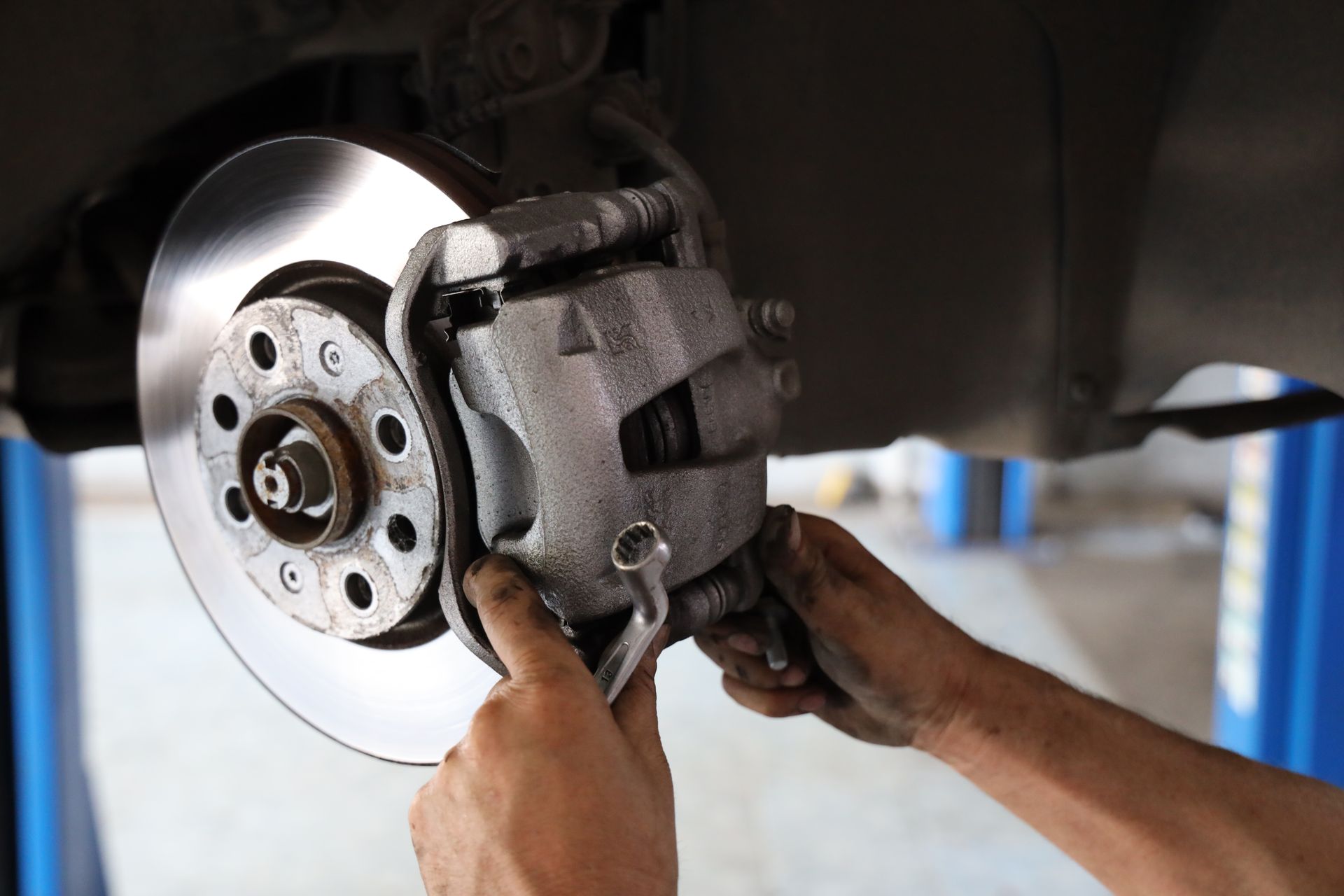
Brake fluid is usually clear to light amber when new and can darken with age. If you see fluid near a wheel or notice the brake pedal feels soft, low, or different, do not treat it casually. Brake fluid loss is a safety concern, and the vehicle should be checked before resuming normal driving.
Power steering fluid can be reddish, amber, or brown, depending on the system and fluid type. A power steering leak may come with whining while turning, heavier steering at low speed, or wetness around hoses, the pump, or the steering rack.
Some newer vehicles use electric power steering and do not have power steering fluid. That is one reason guessing from the driveway only gets you so far.
What To Do When You Find A Leak
If you find a fresh spot, take a quick picture before it spreads or dries. Note where the car was parked, what color the fluid was, and whether there was any smell, warning light, noise, or change in how the vehicle drove.
Do not open a hot coolant system. Do not drive with a soft brake pedal. Do not ignore a transmission leak paired with shifting problems. If the leak is small and the vehicle feels normal, schedule service soon and keep an eye on fluid levels. If a warning light appears or the vehicle overheats, slips, smokes, or loses braking feel, stop driving and get help.
Regular maintenance helps catch small leaks before they become low-fluid problems. A quick look under the vehicle during service can save a lot of frustration later.
Get Fluid Leak Inspection In Texas, With Barsh Auto
If your vehicle is leaving spots, smelling like burnt oil, losing coolant, shifting strangely, or showing warning lights, Barsh Auto can check the source at our Conroe, TX, and New Waverly, TX, locations.