It's easier to understand a repair recommendation when you can see the problem. A photo of a worn tire edge or a video of a loose suspension joint puts the finding in front of you. You can then discuss the work with more information than a list of unfamiliar part names.
Digital inspection reports collect those images, measurements, and notes in one place, often viewable on your phone. The useful part is the explanation that comes with them. Before approving the estimate, you should know what was found, how urgent it is, and what repair or maintenance is recommended.
Digital Inspection Photos of Worn Vehicle Parts
Many important areas are difficult to inspect from beside a parked car. A photo or video taken during the inspection makes the inside tread edge, an underside leak, or movement in a suspension joint much easier to explain.
Each image should identify the part and its location. A close-up labeled “right front tire, inside edge” makes the wear easier to understand. The accompanying note should explain the concern and the next step, so you can connect what you see with the work being recommended.
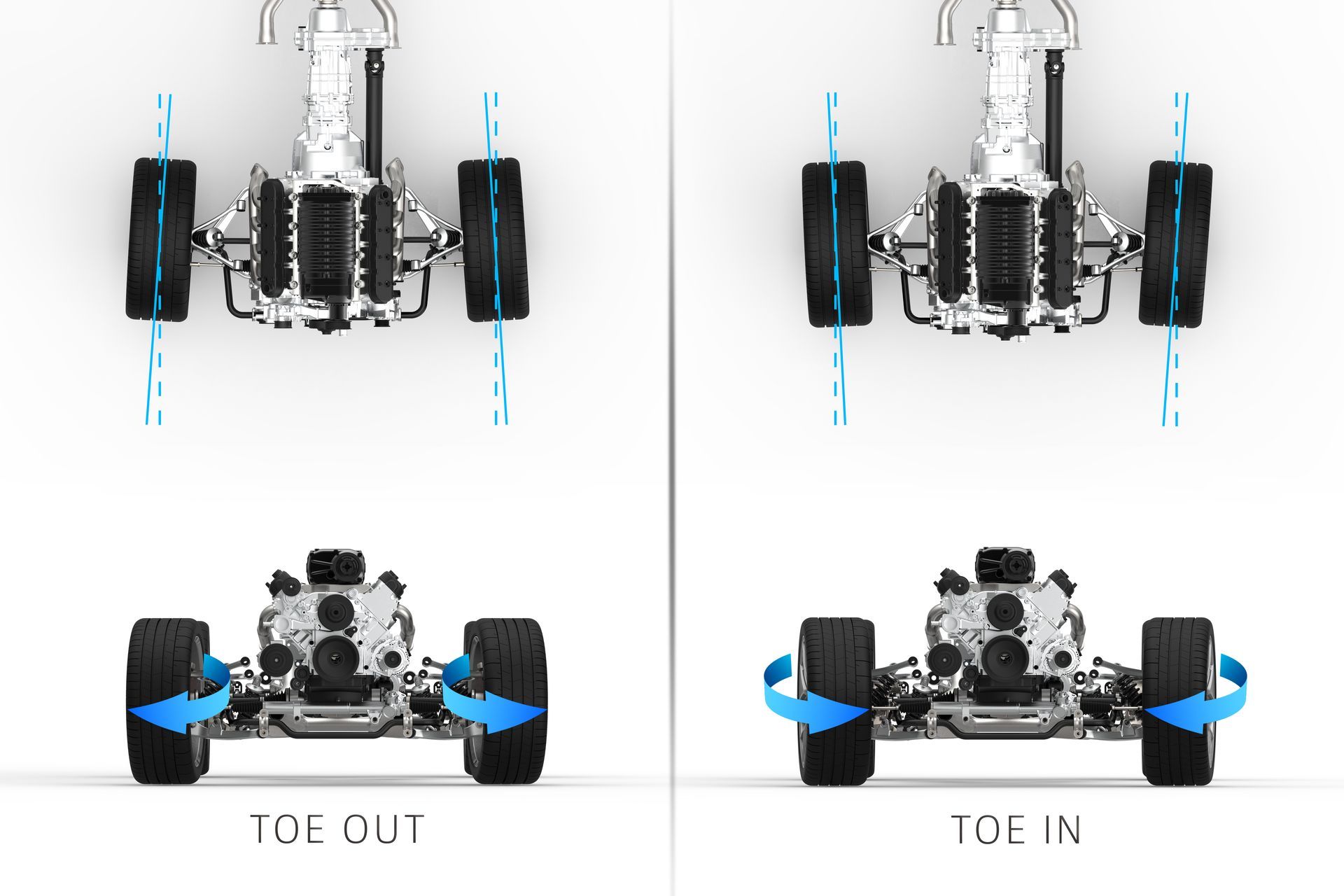
Imagine a tire that looks healthy from the outside but has heavy wear along its inner shoulder. Seeing that area changes the conversation immediately. You can understand why an alignment or suspension check is being discussed and why looking only at the visible tread missed the concern.
Video is particularly useful for movement that a still photo misses. Seeing a worn joint shift during a controlled check makes the finding easier to understand. Pairing that clip with the technician's explanation connects the visible movement to the repair recommendation.
Brake and Tire Measurements in Digital Inspections
Measurements make recommendations more useful. Brake pad thickness, tire tread depth, fluid test results, and other recorded findings add detail to the photos. The vehicle's service limits and the component's condition then guide the recommendation.
For example, a report showing a brake pad with about 0.08 inch of friction material remaining tells you something different from one showing about 0.28 inch. The thinner pad is much closer to the end of its useful life. The technician should explain the recommended replacement point and whether uneven wear or rotor damage adds to the work needed.
Tire tread depth is commonly recorded in fractions of an inch, such as 6/32 or 3/32 inch. Seeing those measurements for each tire helps you understand how much tread remains and whether one tire is wearing faster than the others.
Repeated measurements also help you plan. If tread depth declines steadily over several visits, you can budget for tires before replacement becomes urgent. A sudden change on one edge calls for a closer look at pressure, alignment, or suspension wear before that pattern ruins more tread.
Repair Priorities in a Digital Inspection Report
A long report needs an order of importance. A clear plan should put safety concerns, reliability issues, scheduled maintenance, and items to monitor in order. A color label is helpful only when its meaning is explained.
The shop should tell you what needs immediate action and what can be planned. A severely damaged tire deserves a different response from a filter approaching its next routine service. You need enough context to organize the work around the vehicle's condition and your budget.
Useful explanations also connect related jobs. If a worn suspension component is contributing to tire damage, replacing the tire alone leaves the cause in place. Showing both findings makes the complete recommendation easier to follow.
Ask what happens if a recommendation waits. For one item, the answer might be faster tire wear; for another, it could be a safety concern that needs immediate repair. A filter with useful service life left belongs in future planning. Specific answers make the priorities easier to judge.
Using Digital Inspections to Review a Repair Estimate
The inspection records findings. The estimate describes the proposed work and its price. Linking the two helps you see why a line on the estimate is there and which finding it addresses.
Before approving work based on a digital inspection, check for:
- The part and concern clearly identified
- Photos or video showing the finding
- Measurements or test results where useful
- The urgency and recommended next step
- Parts included in the repair price
- Labor and any related service charges
- The exact work you're being asked to authorize
Opening the report and approving the repair are separate steps. Check the proposed work and total before accepting. If further inspection reveals another problem, you should receive an explanation and a revised approval request. That keeps you involved as the repair develops instead of discovering added work when you pick up the car.
A report on your phone is convenient during a busy workday, but you can still call with questions. A photo shows the worn part; a conversation helps explain how it affects your vehicle and which repairs can wait. Both are useful parts of clear communication.
Digital Inspection Records for Future Maintenance
A report saved with the date and mileage becomes part of your service history. You can review what was repaired, what was deferred, and which items were healthy at that visit. That makes the next appointment easier to organize.
Suppose tire measurements show gradual wear across several visits. Comparing the tread depth with the miles driven between inspections helps you follow that change. If wear suddenly accelerates on one edge, the history gives the technician a reason to look more closely at pressure, alignment, or suspension condition.
That same record helps when changing ownership or reviewing a recurring concern. It shows more than a list of purchases: it explains the condition observed and the decisions made. Keep the reports with invoices so the findings and completed work stay connected.
Vehicle Inspection Services at Barsh Auto
Trust grows when the findings are specific, and the explanations make sense. You should be able to connect each recommended repair with something measured, photographed, or tested on your own vehicle. That understanding helps you make the decision and keep a useful record of why the work was done.
Barsh Auto serves drivers in Conroe and New Waverly, TX. When booking an inspection, let us know which symptoms you'd like checked and ask how the findings will be shared. We can walk through the inspection process and the information you need before you decide on repairs.
Contact
Barsh Auto to arrange a vehicle inspection and discuss your repair or maintenance questions.