Spark plugs are easy to forget because they can work for tens of thousands of miles without asking for attention. Then the engine starts taking an extra second to fire up, acceleration feels a little flat, or a check engine light appears during a hard pull onto the highway.
The tricky part is that spark plug life isn’t based on mileage alone. Plug design matters, but so do engine condition, driving habits, oil consumption, fuel mixture, and even problems elsewhere in the ignition system. Two vehicles with the same mileage can have plugs in very different conditions.
Spark Plug Life Depends on What’s Installed
Older copper spark plugs generally have shorter service intervals than platinum or iridium plugs. Many modern vehicles use long-life plugs designed to last about 60,000 to 100,000 miles or more. Some engines call for replacement sooner, so the vehicle’s maintenance schedule is still the right place to start.
We don’t assume a plug is healthy just because it hasn’t reached a certain mileage. A 70,000-mile iridium plug in an engine that burns oil can look much worse than one with 100,000 miles in a clean-running engine. Service history matters too. Used vehicles sometimes arrive with no record of whether the spark plugs have ever been changed.
What Actually Wears Out on a Spark Plug
Every time a plug fires, electricity has to jump across the gap between its electrodes. Tiny amounts of material wear away during that process. As mileage builds, the gap can gradually widen, forcing the ignition coil to produce more voltage to create the spark.
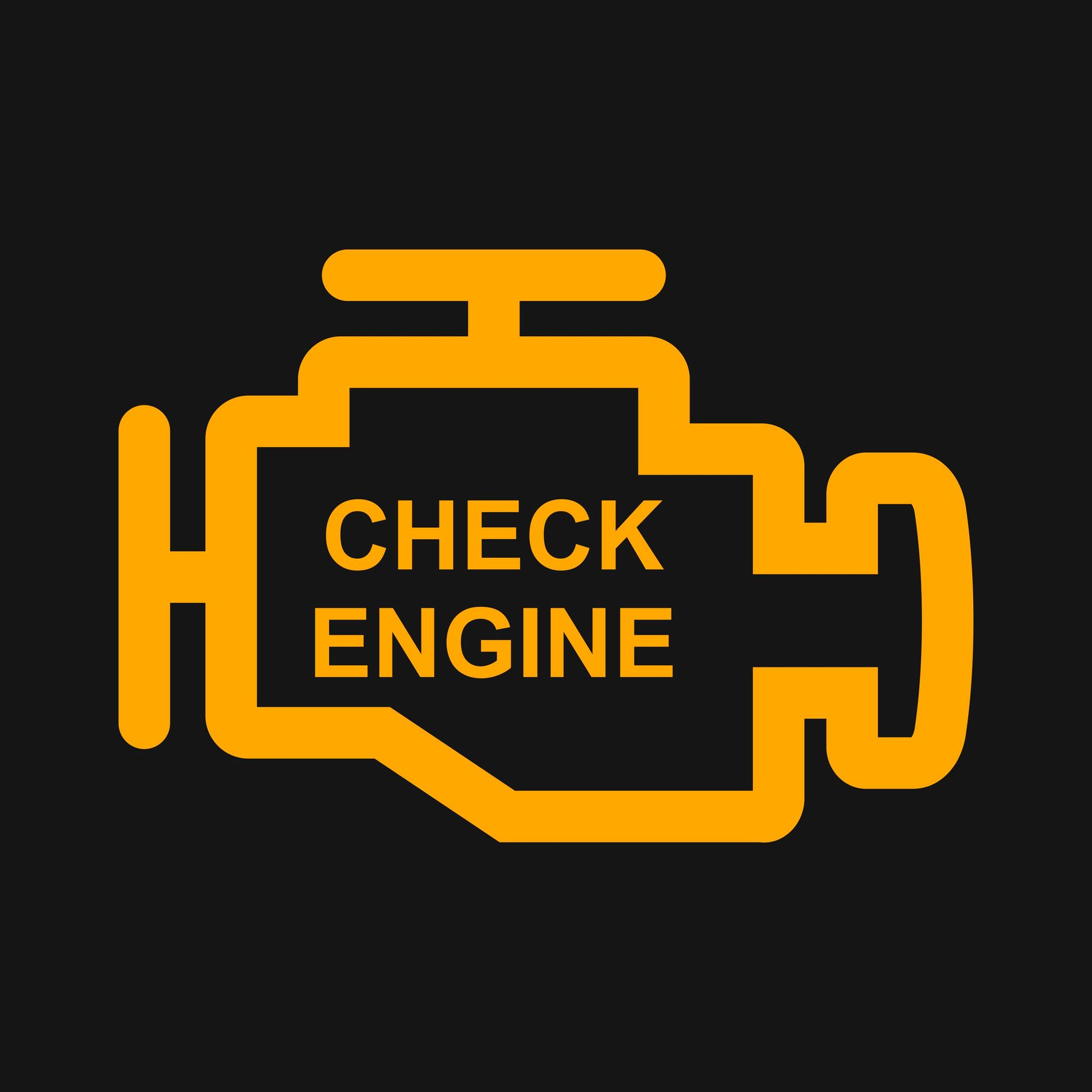
At first, the driver may not notice anything. Under heavier engine load, though, the extra demand starts to show. You might feel a slight hesitation climbing a hill or a stumble when accelerating onto the freeway. Eventually, worn plugs can contribute to an engine misfire, harder starting, weaker fuel economy, or a check engine light.
Oil and Fuel Deposits Can Shorten Plug Life
A spark plug is also a useful window into what’s happening inside the cylinder. When we remove plugs during an inspection, we look at much more than the electrode gap. Heavy black carbon, wet fuel, oily deposits, or one plug that looks completely different from the others can point toward another problem.
Oil consumption is especially hard on plugs. Worn piston rings, valve stem seals, or other oil-control problems can coat the firing end and interfere with the spark. An overly rich fuel mixture can leave dark deposits, while an injector problem may foul one cylinder more than the rest. Replacing the plugs can restore operation temporarily, but they’ll foul again if you don't address the underlying cause.
Short Trips and Engine Problems Change the Picture
Driving conditions affect spark plugs more than many owners realize. Engines that spend most of their time on very short trips may build deposits because they don’t remain at full operating temperature for long. Long stretches of stop-and-go driving can create a different kind of heat and load than steady highway travel.
Cooling system problems, vacuum leaks, incorrect fuel mixture, and ignition faults can also change plug condition. Even an engine that seems to run reasonably well may have one cylinder accumulating deposits or a coil that occasionally loses spark under load. At our shop, a road test can be especially helpful when the complaint only appears during harder acceleration rather than around town.
Worn Spark Plugs Can Be Hard on Ignition Coils
Waiting too long to replace spark plugs doesn’t only affect the plugs. As the gap grows, the ignition coil has to work harder to push enough voltage across it. Over time, that extra demand can stress the coil.
That’s one reason regular maintenance is worth keeping up with even when the engine still seems fine. If a vehicle comes in with a failed ignition coil and overdue plugs, replacing only the coil may leave the new part working against the same worn spark plug. On the other hand, one failed coil doesn’t automatically mean you need to replace every coil. The repair should match what testing and service history actually show.
Signs Your Spark Plugs Deserve a Closer Look
Spark plug wear doesn’t always announce itself with a severe misfire. Early symptoms tend to show when the engine is being asked to work harder.
You might notice slower starting, rough idle, hesitation during acceleration, reduced fuel economy, or a check engine light that appears under load. A flashing check engine light deserves quicker attention because it can mean the engine is misfiring badly enough to send unburned fuel into the catalytic converter.
Those symptoms still don’t prove the plugs are responsible. Weak coils, injectors, vacuum leaks, fuel pressure problems, compression loss, and sensor faults can feel very similar. Reading fault codes, checking misfire data, and looking at the plugs themselves gives a technician a much clearer direction.
Get Spark Plug Service In Texas With Barsh Auto
If your vehicle is due for spark plugs, has started misfiring, or simply doesn’t accelerate the way it used to, Barsh Auto can check the ignition system and plug condition at our Conroe and New Waverly, TX, locations.